
Last updated on November 9th, 2026
Tomato smash pasta is the weeknight dinner hero you’ve been waiting for. All it takes is a pint of sweet cherry tomatoes, a box of spaghetti, a little garlic, and one trusty skillet. You blister the tomatoes until they’re soft, smash them into a bright, juicy sauce, and toss everything together in about 25 minutes. It tastes like summer and feels way fancier than the effort involved. You’ll learn how to smash tomatoes like a pro, why pasta water is your secret weapon, which pasta and tomatoes work best, and fun ways to make it totally your own.
What Is Tomato Smash Pasta?
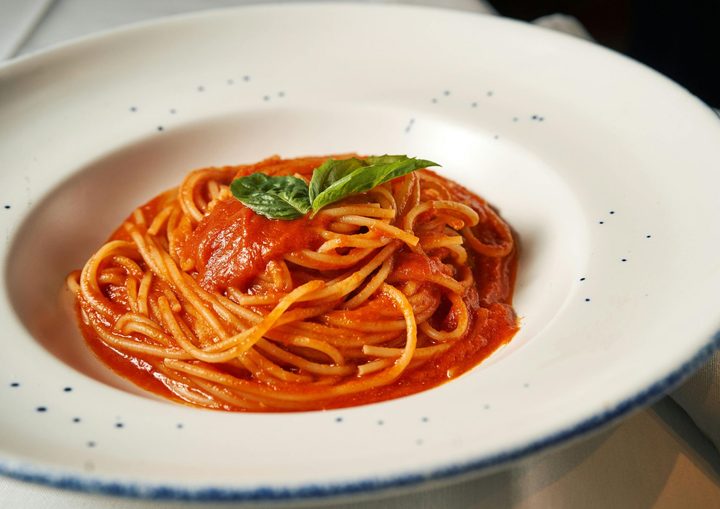
Tomato smash pasta is a fast, fresh take on classic tomato pasta. Instead of simmering canned tomatoes for hours, you blister cherry tomatoes in a hot skillet with olive oil and garlic, then press them until they burst. Their juices spill straight into the pan and become the sauce, so you don’t need to add any extra liquid.
That’s what sets smashed tomato pasta apart from a standard marinara. The flavor stays bright and sweet because the tomatoes cook for minutes, not hours.
Most tomato smash pasta recipes are ready in about 25 minutes, roughly the time it takes to boil the pasta, which makes this quick pasta sauce a natural weeknight dinner.
Expect a chunky, rustic texture. Some tomatoes collapse while others hold their shape, giving you a juicy tomato sauce with sweet bursts in every bite. The catch? It relies on ripe tomatoes, so buy the best you can.
Ingredients You Need
- 2 pints cherry tomatoes (about 4 cups)
- 1 pound spaghetti
- ¼ cup extra virgin olive oil
- 5 garlic cloves, thinly sliced
- ½ cup grated Parmesan, plus extra for serving
- 1 cup fresh basil leaves, torn
- ¼ to ½ teaspoon red pepper flakes (optional)
- Kosher salt and black pepper, to taste
Related: 10 Easy Winter Pasta Recipes – Easy, Cozy and Comforting
How to Smash the Tomatoes
The smash is what gives this dish its name, and timing matters. Cook the cherry tomatoes in the skillet over medium heat for 8 to 10 minutes, shaking the pan occasionally. They’re ready when the skins wrinkle, a few split open on their own, and the tomatoes start to slump. If you press too early, firm tomatoes will just roll around the pan instead of bursting.
Once they’ve softened, press each tomato gently with the back of a wooden spoon or a flat spatula until it bursts. A potato masher works for large batches, but it’s easy to overdo it. The wooden spoon gives you the most control and won’t scratch your pan.
Aim to crush about two-thirds of the tomatoes and leave the rest whole or barely split. That way you release plenty of tomato juices for the sauce while keeping sweet, jammy pieces throughout. If you prefer a smoother sauce, keep pressing and simmer for a couple more minutes.
Hot cherry tomatoes can squirt boiling juice surprisingly far, so take a few precautions:
- Turn the heat down to medium-low before you start smashing.
- Press slowly and gently instead of slamming down.
- Angle your spoon so juice sprays away from you.
- Hold a lid at an angle as a shield.
- Wear an apron if you’re fond of the shirt you’re wearing.
How to Make Tomato Smash Pasta
Here’s how to make tomato smash pasta from start to finish. The whole process takes about 25 minutes.
- Boil the pasta. Bring a large pot of water to a rolling boil and salt it generously until it tastes like mild broth. Cook the spaghetti 1 to 2 minutes less than the package’s al dente time, since it’ll finish cooking in the sauce.
- Save the pasta water. Before draining, scoop out 1 cup of starchy pasta water. Set a mug beside the stove so you don’t forget.
- Cook the tomatoes. While the water heats, warm the olive oil in a large skillet over medium heat. Add the cherry tomatoes and a pinch of salt. A wide skillet gives the tomatoes room to blister instead of steam. Cook for 8 to 10 minutes, shaking the pan occasionally, until the skins wrinkle and soften.
- Add the garlic. Stir in the sliced garlic and red pepper flakes for the last 2 to 3 minutes. Adding garlic late keeps it golden instead of bitter.
- Smash the tomatoes. Lower the heat and press the tomatoes with a wooden spoon until most have burst. Simmer for 1 to 2 minutes so the juices blend with the oil, then taste and adjust the salt.
- Add the pasta. Use tongs to transfer the spaghetti straight into the skillet, along with about ¼ cup of pasta water.
- Toss until glossy. Toss the pasta over medium heat for 1 to 2 minutes until the sauce coats every strand. Add more pasta water a splash at a time if it looks dry. The sauce should look shiny and cling to the noodles rather than pooling in the pan.
- Finish and serve. Take the skillet off the heat and stir in the Parmesan and torn basil. Adding cheese off the heat helps it melt smoothly instead of clumping. Season with salt and pepper, then serve right away.
Why Pasta Water Makes the Sauce Better
As pasta boils, it releases starch into the cooking water. That starchy pasta water helps the olive oil and tomato juices bind together, a process called emulsifying. Without it, oil and juice separate and slide off the noodles. With it, you get one cohesive tomato sauce that clings to every strand.
Add the water gradually. Start with about ¼ cup, toss, and add more a few tablespoons at a time. Most batches need ¼ to ¾ cup total. Pouring in too much at once dilutes the flavor and leaves you with a thin, soupy sauce.
Toss vigorously with tongs or shake the skillet while the sauce bubbles. Constant movement helps the starch, oil, and juices come together into a glossy sauce.
Here’s how to tell when the sauce consistency is right:
- Glossy, not greasy: The pasta shines without leaving oil on the plate.
- Clingy, not pooling: The sauce coats the noodles instead of collecting underneath.
- Loose, not watery: A spoon dragged through the pan leaves a gap that slowly fills in.
- Slightly loose before serving: It thickens as it sits.
Best Pasta and Tomato Choices
Cherry Tomatoes vs. Grape Tomatoes
Cherry tomatoes are round, juicy, and thin-skinned, so they burst easily and create a looser, sweeter sauce. Grape tomatoes are oblong and meatier, with thicker skins. They take a few extra minutes to soften, release less juice, and may need a little more pasta water. They’re often cheaper and more consistent year-round.
Ripe Tomatoes vs. Less Flavorful Tomatoes
Ripe tomatoes have deep color, a fresh smell near the stem, and a slight give when squeezed. If yours are pale or out of season, cook them a few minutes longer to concentrate their flavor, and add a pinch of sugar or a few drops of balsamic vinegar to boost their flavor.
How Tomato Size Affects Cooking
Small tomatoes soften quickly and smash easily, which is why bite-size varieties work best. Larger tomatoes, such as Romas, should be cut into chunks first, or they’ll take longer to soften and release excess water. Halve any oversized cherry tomatoes so everything cooks evenly.
Spaghetti, Linguine, or Rigatoni?
Spaghetti is the classic choice because long strands pick up a light, even coating of loose sauce. Linguine is flatter and holds slightly more sauce per bite. Rigatoni and other short pasta shapes trap tomato chunks inside their ridged tubes, making the dish heartier. Since some sauce collects inside the tubes, short shapes may need a little extra.
Related: How To Cut Acidity In Tomato Sauce
Easy Ways to Customize It
The base recipe is simple, which makes it easy to adapt. Here are a few add-ins that work without changing the core method:
- Chili flakes: For a spicy tomato pasta, increase the red pepper flakes to ½ teaspoon or more, or stir in a spoonful of Calabrian chili paste. Add heat with the garlic so it infuses the oil. Serving extra flakes at the table keeps everyone happy.
- Mozzarella: Tear fresh mozzarella into small pieces and fold it in just before serving for melty, stretchy pockets. Tear burrata over each bowl for creamy tomato pasta without any cream.
- Extra Parmesan: Stir in another handful during the final toss and grate more on top for a seriously cheesy tomato pasta. Taste before adding salt, since the cheese is salty.
- Spinach: Add two big handfuls of baby spinach after smashing the tomatoes. It wilts in under a minute and adds color and nutrients. Arugula works too.
- Shrimp: Sear seasoned shrimp in the skillet for 1 to 2 minutes per side before cooking the tomatoes; set aside and add back during the final toss. Shrimp pairs especially well with garlic and chili.
- Chicken: Fold sliced grilled chicken or shredded rotisserie chicken into the pasta at the end so it warms through without drying out.
- Pesto or fresh herbs: Swirl in a spoonful of pesto during the final toss, or double the basil for a classic tomato basil pasta. Parsley and oregano are good choices when basil is out of season.
Common Mistakes to Avoid
Most problems with this dish come down to timing, heat, or seasoning. Here’s what to watch for:
- Not cooking the tomatoes long enough: Undercooked tomatoes won’t burst easily, splatter more, and make a thin, raw-tasting sauce. Wait until the skins wrinkle and the tomatoes slump before smashing. Rushing this step is the fastest route to a disappointing tomato pasta.
- Adding too much pasta water: This is the most common answer to “why is my tomato pasta watery?” Add water a splash at a time. If the sauce is already thin, keep tossing over medium heat for a minute or two to cook off the excess, or stir in more Parmesan.
- Skipping the seasoning: Fresh tomatoes need salt to taste their best. Season the pasta water, the tomatoes as they cook, and the finished dish to avoid a bland tomato sauce. Taste again after adding Parmesan, since it’s salty.
- Overcooking the pasta: Pasta keeps cooking in the hot sauce. Pull it 1 to 2 minutes before al dente to avoid soft, mushy noodles and keep a pleasant bite.
- Using excessive heat: High heat burns the garlic, scorches the tomatoes before they soften, and makes the oil smoke. Medium heat blisters the tomatoes without bitterness. Lower it to medium-low while smashing to reduce splatter.
- Not tossing the pasta with the sauce: Spooning sauce over plain noodles leaves a puddle on the plate and dry pasta on top. Always finish the pasta in the skillet and toss until the sauce turns glossy and clings.
Serving and Storing Tomato Smash Pasta
Just before serving, finish each bowl with a fresh shower of grated Parmesan, a few torn basil leaves, and a thin drizzle of good olive oil. Cooking mutes olive oil’s flavor, so a little raw oil at the end brings back its fruity, peppery notes.
Serve the pasta immediately. As it sits, the noodles keep absorbing sauce and the cheese firms up, so the glossy texture fades within minutes. A crisp green salad and crusty bread for soaking up leftover juices round out the meal nicely.
For pasta leftovers, let the dish cool, then transfer it to an airtight container and refrigerate within 2 hours. It keeps for 3 to 4 days. Freezing isn’t recommended, since the pasta softens and the tomatoes turn mushy once thawed.
Leftovers tighten up in the fridge, so add a splash of water when reheating. On the stovetop, warm the pasta in a skillet with 1 to 2 tablespoons of water over medium-low heat, tossing for 2 to 3 minutes until saucy again. This method gives the best texture. In the microwave, sprinkle with water, cover loosely, and heat in 30-second bursts, stirring in between. Top with fresh grated cheese and basil before serving.
Smash, Toss, Devour
Here’s the deal: a seriously good pasta night doesn’t have to eat up your whole evening. With a handful of simple ingredients, one pan, and about 25 minutes, you can whip up something that tastes way fancier than the effort it took. The secret isn’t complicated technique. It’s picking good tomatoes, being a little patient, and paying attention to texture and seasoning as you go.
Nail those basics, and you’ll have a fresh, flavorful sauce that’s bright, rustic, and totally satisfying every time. Even better, it’s super flexible, so you can tweak it to match your mood, your taste buds, or whatever’s hanging out in your fridge. So grab a pan, trust the process, and get smashing. Dinner’s practically done.


