
Last updated on September 9th, 2024
Thinking of buying or owning a cast iron piece of cookware but not sure what’s best to use with it? I’ve got you covered!
The type of utensils you use on cast iron is actually quite important and will determine how well you maintain your cast iron pan or pot. I’ve created this complete guide which explains the best utensils to use. Not only does this list cover your cast iron cookware, but it keeps your other cookware products in mind.
As I love to say, when it comes to the number of cookware products you own, less is more! And there’ll for sure be a particular utensil that is best for you, depending on your needs.
So, what are the best kitchen tools for your cast iron?

What Kind of Utensils Do You Use on Cast Iron?
| Material | Benefits |
|---|---|
| Wood | – Gentle on cast iron seasoning, preventing scratches – Heat-resistant, won’t melt or heat up – Sturdy for heavy tasks (stirring, flipping) – Cost-effective and environmentally friendly (biodegradable) – Versatile: safe for use with non-stick cookware |
| Silicone | – Highly heat resistant (up to 600°F) – Gentle on cast iron seasoning – Non-stick and easy to clean – Resistant to staining and corrosion – Safe for non-stick cookware, preventing damage to coatings – Flexible yet firm, ideal for scraping food from griddles or ridges |
| Metal (Stainless Steel) | – Durable and long-lasting, especially with hardened stainless steel – Can help smooth out cast iron’s surface over time – Great for tasks requiring force (scraping, flipping heavy food) – Easy to clean and maintain – Can improve non-stick properties without damaging seasoning |
The versatility of cast iron cookware is truly unmatched. The same can be said for the variety of utensils that you can use with it.
Almost all utensils can easily be used with cast iron. That being said, I would practice caution with some of them.
Metal, wood, and silicone spatulas are probably the best cooking utensils to use, but for different reasons. It depends on how you would prefer to use your cast iron cookware, which I will explain below.
Other types of utensils like plastic utensils and softer metal spatulas are not so good for use with cast iron cookware, due to how hard the cast iron is. These types are easily worn down by the cast iron and can even leave residue in your food!

- Our cooking cookware is very high quality, strong, durable and easy to clean but not dishwasher safe!
Prices pulled from the Amazon Product Advertising API on:
Product prices and availability are accurate as of the date/time indicated and are subject to change. Any price and availability information displayed on [relevant Amazon Site(s), as applicable] at the time of purchase will apply to the purchase of this product.
Why Utensils Matter for Cast Iron
Appropriate utensils isn’t just about immediate use – it’s about maintaining your cast iron for years to come. The right tools help preserve seasoning, prevent food from sticking, and simplify cleaning.
The seasoning on your cast iron provides a non-stick surface and protects it from rust. However, using the wrong utensils can damage this protective layer.
Soft utensils like plastic or nylon might seem safe, but they can leave behind small particles that affect food flavor and pan performance.
Contrary to popular belief, not all metal utensils are harmful to cast iron. In fact, using metal spatulas or spoons can help smooth out the cooking surface over time, improving its non-stick properties.

Best Materials for Utensils
Wood
Wooden utensils are gentle on the seasoned surface and won’t scratch your pan.
These utensils are heat-resistant, so there’s no risk of melting if left in the pan. They’re also sturdy enough for heavy-duty tasks like stirring thick stews or flipping steaks.
One consideration: wooden utensils can absorb flavors and odors over time. Regular washing after each use will keep them in good condition for your next cooking session.

- WHAT’S INCLUDED? The only set that includes 10 COOKING UTENSILS that meet all your cooking needs. This includes flat frying spatula, wok spatula, slotted spatula, spaghetti pasta server, serving spoon, mixing spoon, soup ladle spoon, skimmer spoon, seasoning/oil spoon and salad fork.
Prices pulled from the Amazon Product Advertising API on:
Product prices and availability are accurate as of the date/time indicated and are subject to change. Any price and availability information displayed on [relevant Amazon Site(s), as applicable] at the time of purchase will apply to the purchase of this product.
Silicone
Silicone tools offer flexibility and heat resistance up to 600°F or more. They tend to be very gentle on your cast iron seasoning.
Silicone spatulas and tongs are ideal for scraping up food bits stuck to the bottom of the pan without causing damage. They’re also non-stick themselves, making them easy to clean and use.
These utensils are particularly useful when you need to be extra careful with your pan’s surface or when working with delicate foods.
Make sure you’re getting proper silicone tools – fake silicone exists!

- FLIP, TURN, AND SERVE: Slotted turner glides beneath food to move it from the pan to the serving dish or cooling rack. Slots drain grease or broth, leaving any drippings in the pan. Wide head supports sandwiches, pancakes, and eggs as you flip them.
Prices pulled from the Amazon Product Advertising API on:
Product prices and availability are accurate as of the date/time indicated and are subject to change. Any price and availability information displayed on [relevant Amazon Site(s), as applicable] at the time of purchase will apply to the purchase of this product.
Stainless Steel
Contrary to popular belief, high-quality stainless steel utensils can be beneficial for cast iron cookware. Flat-edged metal spatulas can help smooth out the cooking surface over time, enhancing its non-stick properties.
When choosing metal utensils, opt for hardened stainless steel rather than softer metals. A good metal utensil should feel substantial and durable.
Stainless steel tools are great for tasks that require more force, like scraping or flipping heavy foods. They’re also easy to clean and maintain.
Regardless of which material you choose – wood, silicone, or stainless steel – the key is to select utensils that will preserve and enhance your cast iron cookware.

- Unlike many other utensil sets that are flimsy, melt, or break after a few uses, our 32-piece premium kitchen utensils are crafted with high-quality stainless steel & silicone & are designed to last, so you won’t have to replace your kitchen spatula or ladle in 5 months like with another cheaper kitchenware set.
Prices pulled from the Amazon Product Advertising API on:
Product prices and availability are accurate as of the date/time indicated and are subject to change. Any price and availability information displayed on [relevant Amazon Site(s), as applicable] at the time of purchase will apply to the purchase of this product.
Wood for Cast Iron
The old reliable. Wooden spatulas have been around for centuries and are great for cooking with. Safe, cheap, sturdy and environmentally friendly, the wooden spatula is a great all-rounder. It really is a great spatula for cast iron.
What Makes a Wooden Spatula So Great?
Strong
Wooden spatulas are very sturdy – their inflexibility cannot be compared with that of the silicone spatula.
Where you might find softer metal, plastic, and silicone spatulas bending and flinging food out of the pan, or even worse – splattering hot oils.
Wooden spatulas are much sturdier and will prevent this from happening, making them very safe to use. If you’re only starting out with cast iron cooking, this may be a good place to start.
If you find yourself applying lots of pressure on your food when cooking, a wooden spatula is great in this aspect.
Its sturdy structure will prevent any bending. This is great for the likes of cooking diced chicken to check the inside.

Cost Effective
Wooden spatulas are also really cheap! If you’re looking for an inexpensive utensil that you can use with all your other cookware, then look no further.
Safe
The handle won’t heat up if left in the pan, preventing you from burning your hand. Unlike a steel spatula, wood is an excellent insulator. Even if you’ve left your spatula in the pan for a prolonged period, the handle will still remain safe to use.
There’s also no fear of your wooden spatula melting. When you’re busy making a meal and there are lots of things going on, it’s very likely you’re going to leave the spatula in the pot while attending to another part of the recipe. The last thing you want is to have your spatula disintegrated onto your pan! A wooden spatula is fantastic in this respect.
A wooden spatula is also great for use with your other non-stick pots and pans. Like silicone, won’t remove the non-stick layer on your other pans, making it a really versatile utensil. This will reduce the need for having lots of kitchen utensils.
Not only is wood one of the best utensils for cast iron, but it is also great for the planet too! Your wooden utensil is biodegradable, meaning it truly is a guilt-free purchase.
Benefits of Using a Wooden Spatula
- Comfortable to use
- Safe to use – prevents flinging oil
- Biodegradable
- Cheap
- Great for use with non-stick pans
- Sturdy

- Best Teak Wood: These wooden utensil set are made of natural teak wood, because of the uniqueness of the wood, it appears unique original color and grain. No BPA, PVC or toxic finishes.
Prices pulled from the Amazon Product Advertising API on:
Product prices and availability are accurate as of the date/time indicated and are subject to change. Any price and availability information displayed on [relevant Amazon Site(s), as applicable] at the time of purchase will apply to the purchase of this product.
Silicone for Cast Iron
Is a silicone spatula good for use with a cast iron skillet?
Despite their flimsy appearance, silicone cooking utensils are fantastic for cooking at any temperature and are highly heat resistant compared to usual plastic cooking utensils.

- DURABLE: Made from BPA-free matte black silicone
Prices pulled from the Amazon Product Advertising API on:
Product prices and availability are accurate as of the date/time indicated and are subject to change. Any price and availability information displayed on [relevant Amazon Site(s), as applicable] at the time of purchase will apply to the purchase of this product.
What Makes Silicone Spatulas So Great?
Heat Resistance
The heat resistance of silicone cooking utensils is extremely high – at 600 degrees Fahrenheit, its nylon and plastic counterparts do not come close. Nylon has a heat resistance of 400-500 degrees Fahrenheit.
Plastic will immediately begin to melt at any temperature above 220 degrees Fahrenheit, which is considerably low when you consider what temperatures can rise to!
Stain Avoidance
If you’re like me and cook lots of tomato-based dishes or with lots of spices, you’ll want utensils that won’t stain. Silicone is great for this purpose as it really doesn’t stain easily.
Some lighter colors may be more susceptible to staining but with a good wash with hot soapy water, the stains should come right out. This is thanks to the non-porous composition of the material!
Safe To Use
Silicone is also really safe to use. The silicone used is produced from food-grade silicone, meaning it is safe to use with food. There is no worry that it will impart toxic chemicals into your food, the way that nylon and plastic utensils potentially can.
Silicone is composed of non-corrosive properties. The synthetically manufactured material is stable and will not react with other factors it may come into contact with, such as temperature, acids, and even the products you use it with.
Won’t Corrode
Unlike softer steel spatulas, the silicone won’t corrode when used with your cast iron, which imparts itself into your food while cooking! It also won’t rust like these softer metals.
Work Well With Non-Stick Pans
Silicone utensils are very versatile for perfect for use with non stick pans too. If you have lots of pans that have a non stick layer, it is really important that you protect this to increase your pans’ longevity.
Using utensils like metal on non stick pans will ruin them and you’ll find that every time you cook, your food will cling to the bottom and burn.
Silicone is much superior in this aspect and using it will prevent scraping the non stick layer off.
Firm But Flexible
Silicone is also good for cooking with cast iron griddles with ridges at the bottom. The silicone can bend around the grooves so if you’re trying to scrape off some of the flavor, then silicone will be the best for this!
Reasons Silicone is Good for Cast Iron
- Can withstand high temperatures of up to 600 degrees Fahrenheit
- Not easily stained
- Does not release chemicals into your food
- Prevents scratching non-stick on all cookware
- Hardwearing
- Safe to use
- Great for use with non-stick pans too

Metal for Cast Iron Cooking
Can you use metal on cast iron?
The answer may surprise you – yes!
You may have previously thought that a metal spatula would damage the interior surface of your cast iron cookware. But the opposite is actually true.
It is a popular choice among professional chefs and they’re even great for flipping pancakes!
Metal spatulas are a great utensil to use with cast iron, but as I’ve previously mentioned, the quality of the metal needs to be considered for utensils used with cast iron cookware.
So, let’s find out why this is, and which one is the best to use with cast iron cookware!
Myth About Using Metal Utensils With Cast Iron
Using a metal spatula on a cast iron pan can help to smooth out the interior surface by lowering the high spots in the natural texture of the cast iron. This results in a smoother surface for your cooking.
While you may think that this would remove the non-stick capabilities of your seasoning, it actually won’t! Having a smoother bottom enables the non-stick capabilities of your cast iron.
Other factors to consider when using a metal spatula include the composition, shape, and the handle.

- PERFECT FOR TURNING: The Sabatier Wide Turner features a narrow head that is perfect for picking up and flipping both large and small foods
Prices pulled from the Amazon Product Advertising API on:
Product prices and availability are accurate as of the date/time indicated and are subject to change. Any price and availability information displayed on [relevant Amazon Site(s), as applicable] at the time of purchase will apply to the purchase of this product.
Material
It is recommended not to use a softer metal spatula for cast iron because it is softer than cast iron. The desired result of a smoother interior cannot be achieved with normal stainless steel, and will actually scrape itself off, leaving small particles of steel in your food!
Hardened stainless steel spatulas are ideal for cooking with cast iron and is tougher than normal stainless steel.
The heavyweight material is also safer – the spatula won’t flex while using so you can apply force to the spatula without propelling food out of the pan! It is one of the most superior inflexible spatulas.
Shape
Sharp corners on your steel spatula make it more difficult to reach remnants left in the corner of the cast iron skillet.
It may be worth choosing a spatula that has softer corners in order to reach these hard-to-get-at areas and make sure you’re getting all the flavor!
Handle
The best spatula handle will ideally
- be comfortable to use
- doesn’t melt
- won’t heat up on the pan edge while you’re using it
Handles made from materials like wood are great because its comfortable to hold, wont melt when left in the pan or heat up too much. They also look really good!

Specialty Utensils for Cast Iron Cooking
Chain Mail Scrubber
The chain mail scrubber is a specialized cleaning tool designed specifically for cast iron cookware. Constructed from interlocking stainless steel rings, this durable scrubber effectively removes stubborn food residue without damaging the pan’s seasoning.
After cooking high-protein foods like steak, which often leave stuck-on bits, the chain mail scrubber proves particularly useful. Its design allows for thorough cleaning while preserving the integrity of the seasoned surface.
Over abrasive scouring pads that can potentially harm the seasoning layer, this is the better choice.

- With high-quality cast iron cleaner, cuts your cleaning time by half. Cleaning cast iron cleaner only with warm water, convenient to use. Wash with cast iron cleaner will not scratch your pans,easy to clean dishwasher safe. Easy to store and hang cast iron skillet cleaner anywhere to dry. Save space of your kitchen. Much healthier than sourcing pads with its stainless steel ring structure,germs arent germinating.Add custom text here
Prices pulled from the Amazon Product Advertising API on:
Product prices and availability are accurate as of the date/time indicated and are subject to change. Any price and availability information displayed on [relevant Amazon Site(s), as applicable] at the time of purchase will apply to the purchase of this product.
Fish Spatula
Despite its name, the fish spatula is for cast iron cooking.
Its thin, flexible edge and slotted design make it ideal for handling delicate foods without breaking them. It can effectively scrape up browned food particles (known as fond) from the bottom of the pan.
This spatula excels in tasks such as flipping hash browns, where its thin edge can easily slide under the food. During the deglazing process, when making sauces, the fish spatula efficiently scrapes up flavorful bits from the pan surface, enhancing the overall taste of the dish.

- Kitchen aid set: multifunctional set of two slotted spatulas, consisting of a large fish turner and a small pancake turner. Ideal gift for professional chefs or your loved ones.
Prices pulled from the Amazon Product Advertising API on:
Product prices and availability are accurate as of the date/time indicated and are subject to change. Any price and availability information displayed on [relevant Amazon Site(s), as applicable] at the time of purchase will apply to the purchase of this product.
The Grill Press
The grill press is a weighty tool designed to enhance cast iron cooking. Its ensures even cooking and creates distinct grill marks on foods. The press’s weight helps maintain consistent contact between the food and the hot surface of the cast iron pan.
When used for items like grilled sandwiches, the grill press applies uniform pressure, resulting in evenly toasted bread and thoroughly melted cheese. For meats, it aids in creating appealing grill marks while promoting even heat distribution throughout the cooking process.

- One Lodge Pre-Seasoned Cast Iron Grill Press With Cool-grip Spiral Handle, 6.75 Inch x 4.5 Inch
Prices pulled from the Amazon Product Advertising API on:
Product prices and availability are accurate as of the date/time indicated and are subject to change. Any price and availability information displayed on [relevant Amazon Site(s), as applicable] at the time of purchase will apply to the purchase of this product.
Caring for Your Utensils
Wood
Hand washing is a must, as dishwashers can cause damage. Use warm, soapy water and dry the utensils immediately after washing to prevent water absorption.
To prevent drying and cracking, apply food-grade mineral oil or beeswax to your wooden utensils every few months. This treatment helps preserve the wood and extends the life of the utensil. Avoid using vegetable oils, as they can become rancid over time.
Silicone
While silicone utensils are generally low-maintenance, they still benefit from proper care.
Although dishwasher-safe, hand washing can be more effective for removing stubborn food particles. For thorough cleaning, soak silicone utensils in hot, soapy water before scrubbing.
Store silicone utensils away from direct heat sources when not in use. Prolonged exposure to high temperatures can potentially damage the material over time. Regularly inspect your silicone utensils for any cuts or tears, as damaged utensils should be replaced to prevent small pieces from contaminating food.
Metal Utensil Maintenance
To prevent rust formation, ensure thorough drying after washing. If rust does appear, it can be removed using a paste made from baking soda and water.
For removing stains or restoring shine to metal utensils, a paste of cream of tartar and water can be effective. Apply the paste to the utensil, allow it to sit briefly, then rinse thoroughly. This can help maintain the appearance of your stainless steel utensils.

Maintaining Your Cast Iron Cookware
Cleaning Techniques
When cleaning your cast iron pans, you’re going to want to preserve its seasoning and prevent damage.
Avoid using soap, as it can remove the seasoning layer. Instead, use a stiff brush or chainmail scrubber with hot water to clean the pan while it’s still warm but safe to handle.
For stubborn food residue, a useful method is to sprinkle coarse salt in the pan and scrub with a paper towel. This abrasive action helps remove stuck-on food without harming the seasoning.
Proper Oiling
After cleaning, oiling maintains the non-stick surface and preventing rust.
Apply a thin layer of cooking oil to the entire surface of the pan. Flaxseed oil is particularly effective, but vegetable oil is a good alternative.
Be cautious not to over-oil, as excess oil can result in a sticky or gummy surface. After applying oil, heat the pan in the oven at 450°F for about an hour. This process, known as polymerization, helps the oil bond with the iron, strengthening the seasoning.
Re-Seasoning Process
Occasionally, cast iron cookware may require re-seasoning, especially after cooking acidic foods or if the pan has been accidentally soaked.
To re-season:
- Scrub the pan thoroughly with steel wool to remove any rust or old seasoning.
- Apply a generous coat of oil to the entire surface.
- Place the pan upside down in the oven at 450°F for about an hour.
- Repeat this process several times to build up a strong seasoning layer.

- One Lodge Pre-Seasoned 12 Inch Cast Iron Skillet with Handle Holder
Prices pulled from the Amazon Product Advertising API on:
Product prices and availability are accurate as of the date/time indicated and are subject to change. Any price and availability information displayed on [relevant Amazon Site(s), as applicable] at the time of purchase will apply to the purchase of this product.
FAQs
What utensil should I not use with cast iron?
Personally, I would never use a soft metal spatula or a plastic spatula with my cast iron. The soft metal spatula can corrode itself against the bottom of the cast iron and leave metallic residue, which will end up in your food!
The reason I’m against plastic spatulas is due to the melting point of the plastic. It can range hugely and on some occasions impart some of its chemicals into your food.
The lower melting point can be a nuisance too because the handle can easily melt if left for even short periods of time. And if the handle has melted against the edge of the pot, I dread to think how much of the spatula has melted at the source of heat!
What oil is best to season my cast iron skillet with?
Grapeseed oil and flaxseed oil. These oils have a very high smoke point which is desirable as this will be on the surface of your cast iron for years to come and you don’t want a pan that is susceptible to become smoky every time you use it. By the same stroke, these oils can be expensive and other oils can be very effective too.
What tools can I use with a cast iron pan?
You can use a variety of tools with cast iron pans, including wooden utensils like spoons and spatulas, silicone tools such as spatulas and tongs, and metal utensils like stainless steel spatulas and tongs. Bamboo utensils and grill brushes for cleaning are also suitable. Avoid using plastic utensils or sharp metal tools that could damage the seasoning. Choose heat-resistant, durable tools that won’t scratch the surface.
Can you use a plastic spatula on cast iron?
It’s not recommended to use plastic spatulas on cast iron pans. The high heat can cause plastic to melt, potentially contaminating your food and damaging the pan’s seasoning. Plastic utensils may also scratch the seasoned surface over time. Instead, opt for wooden, silicone, or metal utensils that can withstand high temperatures and won’t damage your cast iron cookware.
Which spatula to use with cast iron?
A: For cast iron cookware, the best spatulas are metal (preferably stainless steel), wooden, and silicone. Metal spatulas are ideal for scraping and smoothing the cooking surface. Wooden spatulas are gentle on the seasoning and heat-resistant. Silicone spatulas offer flexibility and non-stick properties. Choose based on your cooking needs and personal preference.
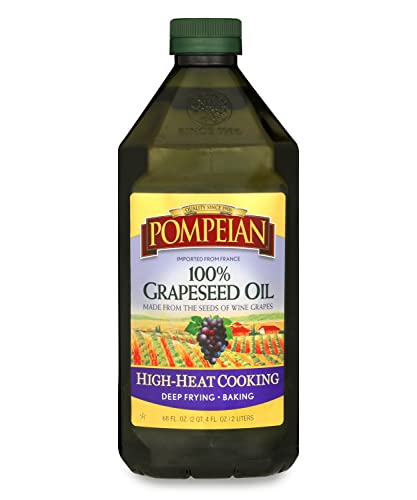
- GRAPESEED OIL: Pompeian imports 100% of its Grapeseed Oil from France.
Prices pulled from the Amazon Product Advertising API on:
Product prices and availability are accurate as of the date/time indicated and are subject to change. Any price and availability information displayed on [relevant Amazon Site(s), as applicable] at the time of purchase will apply to the purchase of this product.
Best Utensil for Cast Iron?
This has an ambiguous answer. It depends on what your desire for your cast iron is, and whether you want to smooth out the bottom of your pan
If you would prefer to smooth out the bottom of the pot and get rid of the rough bottom, then metal spatulas are the ones for you.
If you’re looking for an affordable utensil that can be used with all your other cookware products and aren’t fussed with the interior of your cast iron, then wood or silicone spatulas are the best choice.
It is down to personal preference. Once you’ve seasoned the interior of your cast iron, it will still be non-stick regardless of if you smoothen it with the metal spatula or not.
Either way, these choices are good ways of using your cast iron. Hopefully this guide will help your decision!
Read more on the blog:
- Dutch Oven vs Roasting Pan
- Skillet vs Pan
- Can You Use Cast Iron on a Glass Stovetop
- Can You Put Butter In A Cast Iron Skillet


