
Last updated on March 11th, 2024
Craving edible cookie dough but avoiding dairy? Numerous milk alternatives now exist allowing anyone to craft luscious edible dough. From allergy-friendly oat milk to protein-packed soy varieties, plant-based milk substitutes in edible cookie dough enable you to indulge without discomfort or compromise. Let’s explore the most popular dairy milk alternatives for baking edible cookie dough. We’ll also get into how the substitutions uniquely impact taste, texture, nutrition, and more. With the right milk and easy recipe adjustments, even those avoiding dairy can revel in safe, crave-worthy edible dough.

Why Substitute Milk?
When creating edible cookie dough, traditional recipes call for milk. However, there are several compelling reasons you may want or need to use a milk substitute instead.
Allergies
Some people have severe milk allergies and must avoid dairy products entirely. Symptoms of a milk allergy range from hives and upset stomach to life-threatening anaphylaxis. Using a milk substitute allows those with dairy allergies to still enjoy edible cookie dough safely.
Lactose Intolerance
Lactose intolerance impacts over 30 million Americans. People who are lactose intolerant lack enough lactase enzymes to break down lactose. Consuming dairy causes unpleasant digestive symptoms like gas, bloating, and diarrhea. Swapping milk for a dairy-free option enables those who are lactose intolerant to delight in edible dough without discomfort.
Dietary Preferences
From vegetarian to paleo and more, various diets preclude milk products. Vegans eschew all animal products, while those eating paleo avoid dairy as it’s a relatively modern food group. Opting for plant-based or paleo-friendly milk substitutes aligns edible cookie dough with many contemporary dietary lifestyles.
Soy Milk
Soy milk offers a tasty, protein-packed dairy alternative for making edible cookie dough. Made from soaked and ground soybeans, brands like Silk and Pacific Foods provide a nutritious, lactose-free liquid that mimics the texture of real milk remarkably well.
With its high protein content, lower lactose and saturated fat levels, and hint of natural sweetness, soy milk makes for a healthy, environmentally sustainable choice to create luscious edible cookie dough. Adjusting sugar and understanding its deeper flavor profile helps bakers tap into the virtues of plant-power and craft irresistible soy-based dough.
Nutrition
Compared to dairy milk, soy milk contains less saturated fat and carbohydrates per cup but packs nearly 8 grams of protein – over 30% more. It also provides dietary fiber, vitamin A, and essential minerals like calcium and potassium. This exceptional nutritional profile makes soy milk a smart choice for boosting the nutrient quality of your edible dough.
Flavor and Adjustments
The natural flavor of soy milk is richer, nuttier, and slightly sweeter than regular milk. When swapped 1:1 in baking recipes, soy milk infuses edible dough with its signature toasted, cereal-like taste. However, take care not to over-sweeten batters, as added sugar may result in cookies spreading excessively during baking. For best results, reduce sugar by 25% in your favorite cookie recipe when using soy over cow’s milk.
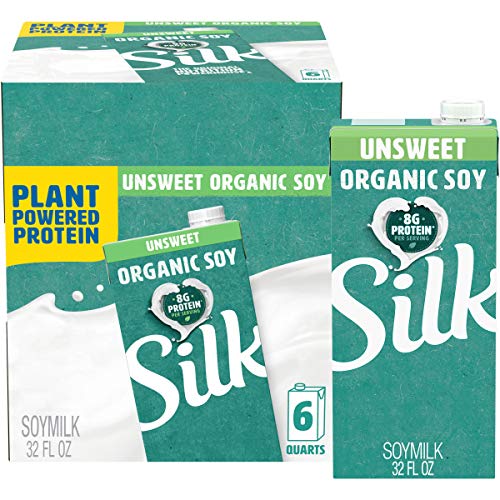
- ADD ORGANIC SOYMILK TO YOUR PANTRY: Certified organic Soymilk is delicious whether poured over cereal, added to coffee, or enjoyed on its own
- SHELF-STABLE: Comes in special packaging for convenient, non-refrigerated storage
- DELICIOUSLY WHOLESOME: Dairy-, lactose-, and casein-free; absolutely no carrageenan, gluten, egg, peanut, MSG, or added sugar
- A NUTRITIONAL POWERHOUSE: A good source of heart-healthy soy protein; low in saturated fat; zero cholesterol
- NON-GMO PROJECT VERIFIED, VEGAN-FRIENDLY Soymilk with no artificial colors or flav
Prices pulled from the Amazon Product Advertising API on:
Product prices and availability are accurate as of the date/time indicated and are subject to change. Any price and availability information displayed on [relevant Amazon Site(s), as applicable] at the time of purchase will apply to the purchase of this product.
Almond Milk
Almond milk is one of the most popular milk substitutes in edible cookie dough. Made from soaked, blended almonds and water, almond milk comes in a variety of flavors and formulations. Popular brands like Califia Farms and Elmhurst 1925 provide barista blends ideal for baking that mimic the texture of regular milk.
Taste and Texture
The natural taste of almond milk is richer and nuttier compared to dairy, with a pleasant, mild sweetness. When swapped 1:1 for milk in edible dough recipes, almond milk imparts a lovely toasted flavor and crispy texture to baked cookies. However, beware adding too much extra sugar, as the natural sugars in almond milk can lead to even more cookie spread.
Nutrition
Per cup, almond milk contains only 1 gram of protein yet provides 50% more calcium than dairy milk. It’s also lactose-free and far lower than dairy milk in saturated fat. However, most almond milks do contain additives like oil, salt, sugar and thickeners to improve texture and flavor. Be sure to glance at ingredient lists before purchasing.
In summary, almond milk makes for tasty, nutritious milk substitutes in edible cookie dough. With its crispy texture, nutty essence and hint of natural sweetness, almond milk enables anyone avoiding dairy to delight in edible dough. Just take care not to overdo added sugars in your favorite cookie recipe when baking with nut milk.
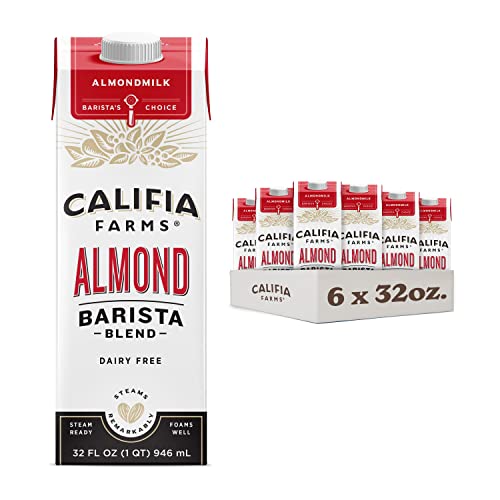
- FROTH + STEAM PERFECT LATTES: With Almond Barista Blend you can froth and steam perfect dairy-free lattes at home. Naturally creamy with a neutral taste, Almond Barista Blend is made for lattes
- SIMPLE PLANT-BASED INGREDIENTS: Califia Farms Barista Blends are made with plant-based, dairy-free ingredients that are Non-GMO Certified, Kosher, vegan, and free from carrageenan
- BLENDS SMOOTHLY INTO COFFEE: This plant-based non-dairy Barista Blend blends beautifully into both hot and iced coffee, for a smooth and creamy cup of coffee every time
- BARISTAS CHOICE DAIRY-FREE MILK: Califia Farms Barista Blends are favored by professional baristas across the country for their ability to froth, steam, and form latte art
- LOW-CAL DECADENCE: With lattes this luscious, you won’t believe there’s just 70 calories per serving.
- SHELF STABLE CONVENIENCE: No need to refrigerate before opening, so you can keep your pantry stocked to your heart’s content.
- A FAMILY AFFAIR: Califia Farms almonds hail almost entirely from one third-generation family farm in central California.
- BOX-CHECKING GOODNESS: Non-GMO, Kosher, Vegan. Free of dairy, soy, gluten, carrageenan, BPA, and preservativ
Prices pulled from the Amazon Product Advertising API on:
Product prices and availability are accurate as of the date/time indicated and are subject to change. Any price and availability information displayed on [relevant Amazon Site(s), as applicable] at the time of purchase will apply to the purchase of this product.
Coconut Milk
Coconut milk offers a deliciously dairy-free way to bake rich, tasty edible cookie dough. Made by blending water and shredded coconut meat, full-fat canned versions provide the ideal creaminess and tropical essence for cookies. Compared to other plant-based milk alternatives, coconut milk’s high-fat content gives it a texture and mouthfeel remarkably similar to whole cow’s milk.
Tropical Sweetness
The dominant flavor coconut milk contributes to edible dough is fresh, fragrant coconut. At around 5 grams of sugar per cup, coconut milk is mildly sweet on its own. When swapped 1:1 for regular milk in recipes, it infuses batters with a distinctly tropical fruitiness. Coconut also packs healthy fats that make baked goods satisfyingly rich. However, additional sugars may push the sweetness over the top for some palates. Consider reducing added sugars by 25% when formulating coconut milk cookie dough.
Suitability for Baking
Thanks to its high fat content, coconut milk performs exceptionally well in baking applications. The fat content of canned coconut milk ranges from 17% for lite options up to 22% for full-fat varieties. This allows coconut milk to provide lift and structure to cookie batters in much the same way as whole dairy milk. Grab coconut milk from the Asian foods aisle of well-stocked grocers for all your edible dough adventures.

- Low Sodium
- See Nutrition Information For Total Fat And Saturated Fat Content
- 365 by Whole Foods Market products give you that dance-down-the-aisles feeling, virtual aisles too! Our huge range of choices with premium ingredients at prices you can get down with makes grocery shopping so much more than tossing the basics in your cart.
- An Amazon brand
- Trust & Quality We Are Proud To Offer This Product To You Because It Meets Our Rigorous Quality Standards, Which Prohibit Over 100 Ingredients For Both Food And Supplemen
Prices pulled from the Amazon Product Advertising API on:
Product prices and availability are accurate as of the date/time indicated and are subject to change. Any price and availability information displayed on [relevant Amazon Site(s), as applicable] at the time of purchase will apply to the purchase of this product.
Oat Milk
With its creamy texture and subtle natural sweetness, oat milk makes an exceptional plant-based addition to luscious edible cookie dough. Compared to other non-dairy milk alternatives, oat milk offers unique nutritional and environmental benefits that make it a standout choice for eco-conscious bakers.
Sustainable Ingredient
Oat milk’s main ingredient, oats, requires far fewer resources to grow than dairy milk’s source – cattle. Pound for pound, oat milk production uses less land and water and generates fewer greenhouse gasses. This small swap can shrink the carbon hoofprint of your edible dough creations. Leading brands like Oatly and Pacific Foods offer high-quality, sustainable oat milk perfect for baking. With oat milk, you can indulge in edible dough more often while minimizing environmental impact.
Allergen-Friendly
Free of lactose, soy, nuts, and gluten, oat milk avoids the most common food allergens. This makes it an ideal choice for those with multiple dietary restrictions looking to craft allergy-free cookie dough. Thanks to its neutral flavor profile, oat milk won’t overpower dough with unwanted tastes. And unlike coconut or almond varieties, oat milk won’t alter texture significantly. Those managing multiple allergies can partake without compromise.

- NON-DAIRY DRINK: Barista oat drink delivers a mild flavor without dairy, nuts, or artificial ingredients. Enjoy creamy coffee and drink creations without discomfort from lactose or other components.
- TASTY ALTERNATIVE: Our plant-based Barista is made from gluten-free organic oats, water, sunflower oil, and sea salt—thats it. Use Oatsome instead of milk without losing any flavor or creaminess.
- FROTHER REPLACEMENT: Because it steams and froths well, this unsweetened oat drink can enhance your latte, cappuccino, mocha, and more. For best frothing results, use after being chilled and shaken.
- VEGAN CREAMERS: Weve produced Barista to be non-GMO, gluten-free, USDA-certified organic, and vegan. Its a super-sustainable substitute for your frother, sweetener, and creamer of choice.
- BARISTA APPROVED: Use in coffee creations, in specialty drinks, or as a creamy addition to your cooking recipes. Oatsome Barista will keep people coming back to your coffee shop or restaura
Prices pulled from the Amazon Product Advertising API on:
Product prices and availability are accurate as of the date/time indicated and are subject to change. Any price and availability information displayed on [relevant Amazon Site(s), as applicable] at the time of purchase will apply to the purchase of this product.
Fruit Juices
When creating edible cookie dough, did you know fruit juices offer a tasty way to replace some or all of the milk? Their natural sweetness cuts back on added sugars while infusing batters with bright, vibrant fruit flavors.
Enhancing Flavor
Swapping dairy milk for fruit juice provides a simple method to give cookie dough exotic fruit essences. Apple, orange, pineapple, and pomegranate juices excel at introducing tropical, citrusy, or berry-like tastes. Blending two or more juices lets you create custom flavor profiles. For example, mixing equal parts apple and orange juice produces a sweet, slightly tangy base for edible dough.
Be judicious when formulating juice-based doughs, as too much can overpower other ingredients. Generally, substitute no more than half the milk called for in a recipe. And consider reducing added sugars to prevent an overly sweet result.
Impacts on Texture
Compared to milk, fruit juices contain little protein or fat. They perform best when used in moderation and combined with milk substitutes like soy or oat milk that provide more structure. Replacing all the dairy milk with juice may yield crisper, flatter cookies. The natural pectin in citrus juice helps add chewiness, while pulpy varieties like mango or guava create deliciously chunky batter.
Utilizing Water
Water is the simplest dairy-free liquid for creating luscious edible cookie dough. With just hydration, wheat flour can form dough without additional fat or sweeteners. This pared-down approach puts the spotlight squarely on the pure, unadulterated flavor of raw cookie dough.
Adjusting for Texture
Swapping all the milk for water significantly impacts cookie dough texture and spread. Dough made with water bakes up dry and crispy compared to traditional recipes. To retain chewiness, use half dairy milk and half water. Adding an egg also provides needed structure when water replaces milk.
Reduce oven temperature 25°F to prevent overbrowning. And consider incorporating mix-ins like chocolate chips or nuts to introduce fat for richness. Food processors lend a helping hand to properly hydrate flour when working without milk’s natural fats.
Maintaining Consistency
Monitor dough closely when utilizing water in place of milk. With less fat and sugar than conventional doughs, moisture content directly impacts consistency. Add water gradually, stopping when dough pulls away cleanly from bowl sides. Let rest 10 minutes then reassess; continue incorporating water by teaspoons until achieving the perfect sticky, scoopable texture for carefree finger-licking.
Adjusting Cookie Dough Consistency
Achieving the perfect scoopable yet thick cookie dough texture takes a bit of tweaking. With milk alternatives, moisture content directly impacts consistency since most lack dairy milk’s natural fats. Luckily, a few easy baking techniques help fine-tune batter for flawless finger-licking results every time.
Add Binding Agents
Gluten formation gives dough its signature elastic chew. Boosting protein content enhances gluten development for thicker batters that retain shape when scooped. Stir in a spoonful of vital wheat gluten, sold near the flour. Egg whites or collagen peptides like unflavored gelatin also tighten texture nicely.
Adjust Dry Ingredients
Too much or too little flour causes dough to lose that sweet spot between sticky and stiff. Add flour a tablespoon at a time until dough cleanly pulls away from bowl sides. Sugar tenderizes gluten, so cut back on sweeteners if dough spreads excessively. Swap granulated sugar for powdered sugar to reduce spread.
Incorporate Mix-Ins
Bits of chocolate, crushed cookies, or nuts please palates while introducing fat for richer consistency. Fold in a half cup to a cup of mix-ins per batch. Chop ingredients into small, uniform pieces so they distribute evenly throughout dough without weighting it down.
Flavor Considerations When Substituting Milk
When swapping out dairy milk for plant-based alternatives in edible cookie dough, flavor balance requires some tuning. Milk brings sweetness, fat, and dairy notes that impact taste substantially. Without thoughtful adjustment, non-dairy batches risk falling flat or tasting off.
Mind the Sweetness
Most milk substitutes in edible cookie dough contain less innate sugar than dairy milk’s inherent lactose. The sweet hit of chocolate chunks or vanilla extract may need amplifying with a touch more sugar or honey. But take care not to overdo it – some alt-milks like coconut and soy skew slightly sweeter.
Boost Richness
Milk fat impacts mouthfeel, keeping cookie dough luscious and rich. Nut milks offer comparable fats, but lean options like oat or almond milk yield flatter results. Stir in a spoonful of nut butter or coconut cream to mimic milk’s full-bodied richness.
Layer Flavor Depth
Dairy milk lends a subtle savory, buttery roundness. For plant-based batches lacking this complexity, bump up flavor enhancers like vanilla, almond, or coconut extract. A pinch of salt also helps all flavors shine through brightly. With thoughtful tweaks, homemade edible dough made with alternative milks satisfies cravings and then some.

Dough-licious Dairy Alternatives
Ultimately, crafting delicious edible cookie dough comes down to personal preference. With today’s range of nutritious and flavorful milk substitutes in edible cookie dough, even those avoiding dairy can indulge safely. Experiment with different alt-milks and juices to strike an ideal taste and texture balance for your palate. Approach recipes with an open mind, making thoughtful adjustments as needed to perfect that crave-worthy cookie dough consistency we all adore.
Milk Substitutes In Edible Cookie Dough: FAQs
What does adding milk to cookie dough do?
Adding milk to cookie dough adds moisture and tenderness, resulting in softer cookies. The lactose in milk also browns more readily, leading to cookies with richer flavor.
Do you need milk when baking cookies?
No, milk is optional when baking cookies. While it makes them softer, moisture can be achieved in other ways, like with extra butter. Milkless cookies will be firmer and spread less.
What do you substitute for eggs in edible cookie dough?
For safe, edible cookie dough without raw eggs, substitute the eggs with pasteurized egg product, silken tofu, banana, applecauce or commercial egg replacers according to package directions.
Why can’t you bake edible cookie dough?
Baking edible cookie dough made without raw eggs won’t make you sick, but it won’t have the same texture since ingredients like banana or tofu were used as egg substitutes suitable for eating unbaked.
Related Articles:
 Can I Freeze Cookie Dough Instead Of Refrigerating It? Yes, But Read This First
 How to Make Cookie Dough Less Sticky – Your Troubleshooting Guide
 Can You Refreeze Cookie Dough? (How to Re-freeze Thawed Cookie Dough)
 How to Bake Frozen Cookie Dough (No Thawing Recipe)
 Does Cookie Dough Ice Cream Have Raw Eggs – Answered
