
Last updated on April 15th, 2024
Freshly-made peanut butter cookie dough brims with possibility—endless baking potential ready for the scooping. Yet few bakers realize proper storage unlocks this dough’s lasting shelf life between oven sessions. Without due TLC, precious peanut butter dough suffers soggy affliction or proving prohibitively dense and dry once baked. Learn how to easily preserve peanut buttery goodness with these pro pointers for storage success. Skip the failed cookies when cravings strike and bake on blissful demand thanks to perfectly stored dough.

Understanding Peanut Butter Cookie Dough
Peanut butter cookie dough requires careful storage due to its unique composition and perishable ingredients. When properly stored, the properties and textures that make peanut butter cookies irresistible can be preserved.
Key Ingredients and Interactions
The core ingredients that give peanut butter cookie dough its distinctive texture and flavor include:
- Peanut Butter: The star ingredient. Quality peanut butter is creamy and packed with nutty flavor. It also contains oils that keep the dough moist and soft.
- Sugars: Granulated white sugar and brown sugar add sweetness, moisture, and the signature chewiness of peanut butter cookies. The sugars absorb liquid, preventing a soggy dough.
- Flour: Typically all-purpose flour. It allows the dough to hold its shape while baking and gives structure to the cookies. Flour keeps the dough from becoming too dense or greasy.
- Eggs: Eggs act as an emulsifier between the peanut butter oils and the thicker dough ingredients. This allows everything to smoothly combine.
These ingredients must stay properly blended for optimal flavor and texture once baked. If stored incorrectly, the dough risks separation, dryness, sogginess, and loss of texture.
Paying Mind to Dough Consistency
When mixed, peanut butter cookie dough should form a thick, scoopable batter. It should readily hold its shape without being too sticky. The dough shouldn’t be overly dry and crumbly either.
Achieving this ideal consistency depends on the proportions of the perishable ingredients like eggs, peanut butter, and butter. If these ingredients degrade during storage, it throws off the moisture levels in the rest of the dough.
Monitoring Ingredient Stability
Certain ingredients in peanut butter cookie dough are more prone to spoilage and separation over time. These include:
- Eggs: Raw eggs can pose a salmonella risk if stored improperly. Their proteins also break down faster than other dough components.
- Peanut Butter: The oils may separate from the peanut solids if stored for too long. This alters the dough’s texture.
- Butter and Margarine: These fats can absorb off-flavors in the fridge, plus the oils may separate after prolonged storage.
By keeping a close eye on these more delicate ingredients, bakers can better preserve the properties of peanut butter dough for future baking.
Extending Freshness Through Proper Storage
Understanding what makes peanut butter dough tick allows bakers to choose conditions that will maximize its shelf life. Key factors like temperature regulation, air exposure, and separation prevention go a long way towards retaining pleasing dough properties.

Preparing Dough for Storage
Before storing peanut butter cookie dough, a few preparatory steps help maximize its shelf life.
Portioning the Dough
Portioning freshly mixed cookie dough into individual scoops before storage offers benefits like:
- Convenient Scoop-and-Bake: Pre-scooped dough allows easy, no-mess baking right from the freezer. Simply place frozen scoops directly onto baking trays.
- Uniform Baking: Individual dough balls bake more evenly compared to a large frozen slab. Portioning promotes uniform sizing.
- Customizable Flavors: Separate scoops make it easy to experiment with mix-ins like chocolate chips, nuts, etc. in different combinations.
A standard #20 cookie scoop nicely portions peanut butter dough into ~2 tablespoon sized rounds. Arrange spaced apart on baking sheets before freezing.
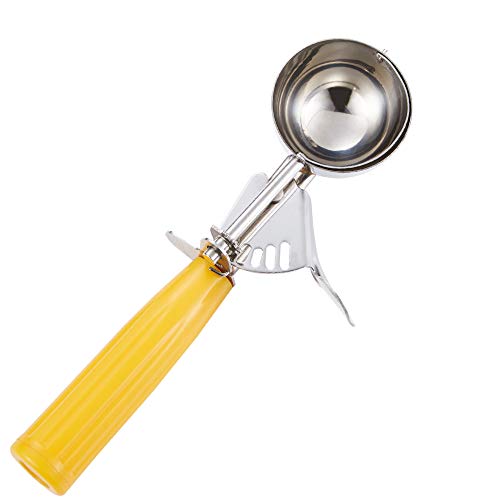
- #20 (1.52 oz), RIGHT SIZE - The disher scoop can hold 1.52 oz/ 45ml/ 3 tablespoon, and with yellow handle.
- MULTIPLE USES, IDEAL DISHER SCOOP - The portion scoop is perfect for portion control, we will easily get the right amount of food. Ideal for portioning cookie dough, rice, cupcake batter, meatballs, mashed potatoes, and more.
- MADE OF 18/8 STAINLESS STEEL - The bowl is made of 18/8 stainless steel, are stain-resistant, and wont pit, rust or corrode. The ice cream scoop is food grade, we would be confident of food safety.
- ERGONOMIC SYSTEM, EASY TO USE - The newly designed release system with innovative cog-and-ratchet is easy to use, we only need to gently press the wrench to release the filler perfectly, does not require great intense effort.
- DISHWASHER SAFE - The cookie scoops for baking is easy to clean, hand wash and dishwasher is safe. Avoid harsh detergen
Prices pulled from the Amazon Product Advertising API on:
Product prices and availability are accurate as of the date/time indicated and are subject to change. Any price and availability information displayed on [relevant Amazon Site(s), as applicable] at the time of purchase will apply to the purchase of this product.
Pre-Freezing on Prepared Baking Sheets
Before sealing and long-term storing:
- Chill dough rounds on baking sheets lined with wax paper or parchment.
- Let sit uncovered in the fridge for 1-2 hours until firmer.
Pre-chilling allows any melted peanut butter or butter to re-solidify, preventing a greasy dough surface. The drier surface then freezes without sticking to protective wrap.
Sealing Airtight for the Freezer
After pre-chilling/firming on baking sheets, peanut butter dough requires careful wrapping to avoid freezer burn:
- Double wrap each dough round individually in plastic wrap to protect all surfaces from air exposure.
- Layer wrapped dough between sheets of wax paper in an airtight container. The wax paper prevents individual dough balls from freezing together in a solid mass.
Proper wrapping prevents icy crust formation and moisture loss from the dough’s outer surface. This retains scoopability straight from the freezer months later.
Thawing and Handling Notes
When ready to bake:
- Allow wrapped frozen dough rounds to thaw overnight in the refrigerator.
- Let sit at room temperature for 10-15 minutes before baking.
This gradual thawing helps prevent oily peanut butter separation and a dense cooked texture. Slow thawing re-emulsifies the ingredients for chewy, flavorful cookies fresh out of long-term storage.

- Splatter-resistant microwaving with built-in vents under latches; resists stains and odors for long-lasting use
- Stacks perfectly to one another to save space and stay organized in the pantry or fridge
- International products have separate terms, are sold from abroad and may differ from local products, including fit, age ratings, and language of product, labeling or instructions
- Safe for the dishwasher, microwave and free
Prices pulled from the Amazon Product Advertising API on:
Product prices and availability are accurate as of the date/time indicated and are subject to change. Any price and availability information displayed on [relevant Amazon Site(s), as applicable] at the time of purchase will apply to the purchase of this product.
Refrigeration Techniques
While the freezer preserves peanut butter dough long-term, the refrigerator offers a handy storage spot for dough destined for baking within 5-7 days. Proper chilling controls moisture migration and keeps the dough scoop-ready.
Picking Fridge-Friendly Containers
The first step is choosing suitable airtight containers that:
- Prevent dough from absorbing refrigerator odors
- Lock in moisture to avoid excess drying
- Allow enough surface area exposure for fast chilling
Ideal vessels include rigid plastic containers or glassStorage with cling film also works but may require occasional loosening to vent condensation.
Monitoring Moisture Levels
Under-wraped dough can dry out in the fridge from exposure to cold circulating air. But over-wrapped dough risks condensation dripping back onto the surface, creating a gummed layer of wet dough.
To maintain an evenly chilled and scoopable texture:
- Partially uncover chilled dough for the first 6 hours to allow surface moisture to evaporate.
- Re-cover tightly for the remainder of 3-5 day storage to retain moisture as the center chills.
Temperature Regulation
While freezing halts microbe and enzyme activity, refrigeration only slows it. So precise temperature regulation helps prolong quality.
- Set refrigerator between 34-38°F to sufficiently chill dough without freezing and damaging texture.
- Position dough on a central shelf, avoiding the coldest back wall or warmest door shelves.
Portioning Considerations
As previously mentioned, dividing chilled dough into baking portions makes it easy to:
- Scoop out desired amounts for recipes
- Prevent re-chilling a giant lump after each use
For refrigerated dough, allow portions to fully chill again, keeping the remaining dough continuously cold.
Thawing and Handling Notes
Before baking refrigerated dough:
- Let portions sit at room temperature 10-20 minutes to take the chill off.
- Grease hands for easy, mess-free shaping if needed.

Freezing for Longevity
The freezer offers the best storage conditions for extending homemade peanut butter dough’s shelf life. Properly frozen dough stays fresh for 2-3 months when carefully wrapped.
Picking Appropriate Freezer Bags
Sturdy freezer-grade bags are ideal for storing frozen cookie dough as they:
- Prevent freezer burn by completely sealing out air
- Allow compact, space-efficient storage
- Enable easy date labeling for rotation
Choose thicker bags designed specifically for freezing compared to normal zip-top bags.
Monitoring Freezer Temperature
Set the freezer between 0°F to -10°F. Colder than -10°F risks freeze-drying the dough. Warmer than 0°F allows for too much ingredient activity over time.
Position bags towards the back wall and sides for most consistent temperature. Avoid placing near the door or vents where fluctuations happen.
Preventing Ice Crystal Formation
Left unprotected in the freezer, ice crystals develop and puncture cell structures in peanut butter dough. This causes permanent drying, even after thawing.
To inhibit crystal formation:
- Double wrap portions in plastic wrap before bagging. This maintains an intact, non-punctured dough structure.
- Exclude as much air as possible and flatten bagged dough to minimize air pockets.
Thawing and Handling Notes
Always thaw frozen dough gradually before use:
- For food safety, thaw overnight in the refrigerator.
- Afterwards, leave on the counter for 15-30 minutes until pliable enough to scoop.
If any separation occurs after long freezing, briefly knead the thawed dough to re-emulsify and restore scoopable texture before baking.

Container Choices for Optimal Storage
The vessels selected for storing peanut butter dough impact how well it retains quality over time. Key criteria like durability, sealing effectiveness, and material reactivity guide ideal container selection.
Hard Plastic Deli Containers
Hard plastic deli containers offer beneficial properties including:
- Superior Seal: Their rigid snap-on lids create an airtight barrier against air and moisture transfer. This maintains dough integrity whether refrigerating or freezing.
- Durability: High-grade plastic withstands temperature swings from freezer to oven without cracking. Plastic also resists absorbing food odors.
- Visibility: Clear plastic allows easy dough inspection without opening. Bakers can monitor separation or drying issues through the translucency.
The hard plastic helps dough hold shape after scooping onto bake sheets too. Just be sure to leave room at the top for rising.
Glass Jars and Storage Bowls
Glass offers similar advantages:
- Nonporous Material: Glass doesn’t retain stains or smells. It enables high visibility for monitoring dough quality over time as well.
- Multi-purpose Use: Glass jars allow storage in the pantry, fridge, or freezer. Most also go directly into the oven for convenient baking.
- Effective Seal: The lid options of jars and deeper bowls lock out air through rubberized rims and clasps. Just ensure lids fit snugly.
Glass feels heavier than plastic though and risks shattering if dropped. Handle carefully when glass holds frozen dough.
Silicone Bags
Reusable silicone bags provide dough storage flexibility too:
- Pliable Shape: Silicone easily flattens frozen dough while conforming around portions in the fridge. This saves space while keeping air pockets minimal.
- Stain/Odor Resistant: Like glass and hard plastic, silicone resists retaining smells or stains despite repeat uses. It stands up to temperature shifts well.
- Hands-Free Use: Silicone bags can simply be cut open for mess-free, hands-off scooping of dough directly onto baking sheets.
Just avoid very sharp edges that could puncture the silicone. Also monitor for drying since silicone tends to lose moisture.
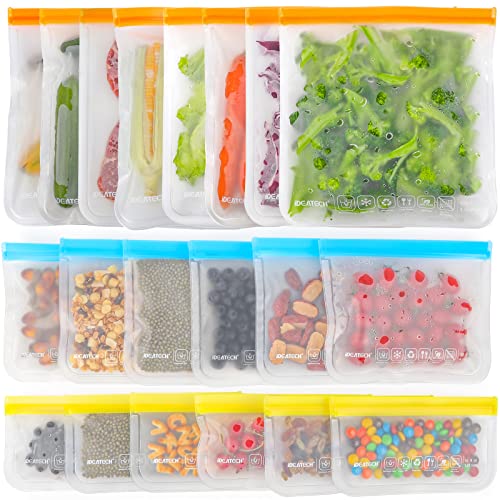
- Food Grade Eco-friendly Fresh Bags-Made of food-grade PEVA material, reusable storage bags are PVC-free, lead-free, chloride-free and BPA FRE, an eco-friendly and recyclable material. They are not harmful to the environment. Also,you don’t need worry about your heath with these food bags.
- Reusable Food Storage Bags-With the food bags, you won’t use amount of plastic bogs in your house, which are harmful for you and your family. These reusable silicone storage bags are heat and cold resistant, temperature resistant-22℉~120℉(-30℃~+60℃).
- Easy to Clean -Please do not use in the dishwasher. We recommend HAND WASH, for the dishwasher will damage the zipper of the food storage bags. Clean with the bottle brush and put the bags on the top of a mug or cup to air dry, even we have developed a rack for the food storage bags.
- Multi- Purpose-The bigger food reusable bags (8.6 inches x 6.5 inches) are great for marinating meats, meal prep, frozen foods, cereal, cookies, knitting materials, office supplies, they perfect sandwich bags, the smaller food bags are good snack bags, they are the perfect container for sandwiches, snacks, lunch, vegetables, fruit, babies food, cosmetics, jewelry make-up, stationery, travel and more. Transparent design can help you recognize the contents inside so quickly.
- Package & Perfect Warranty - 12 months warranty. If you have any issue with these bags please email us to get a ideal resoluti
Prices pulled from the Amazon Product Advertising API on:
Product prices and availability are accurate as of the date/time indicated and are subject to change. Any price and availability information displayed on [relevant Amazon Site(s), as applicable] at the time of purchase will apply to the purchase of this product.
Labeling and Organization
Proper labeling and inventory organization of stored peanut butter dough enables efficient use within its prime freshness window. Key information to track includes creation date, allocated baking plans, flavor additions, and total yield.
Dating for Freshness Tracking
Clear date labeling allows monitoring of dough freshness over time in storage. Best practice tips include:
- Mark creation date on all storage containers when dough is prepped
- On refrigerated dough, note “use by” date 3-5 days out
- For frozen batches, jot down 2-3 month expiration from creation date
These timestamps allow easy first-in-first-out rotation of older dough while baking from the freshest available.
Detailing Flavoring Info
Since custom add-ins can modify each dough batch, labels should note:
- Any mix-in ingredients like chocolate, nuts, spices, etc.
- Intended finished cookie flavor for the batch
This information prevents confusion when retrieving dough rounds for baking. It also enables tweaking flavors in future renditions if needed.
Tracking Yield Details
Include expected dough yield metrics like:
- Total number of dough rounds for a freezer batch
- Approximate weight per ball to anticipate required dough quantities for recipes
These volume and portion details assist meal planning for how many cookies a batch can yield. They also help gauge if enough dough is defrosted for baking needs.
Organizing Storage Space
Maintain inventory control through:
- Grouping similar batches in designated zones of the freezer
- Arranging by date with oldest dough in front to use first
An orderly system avoids dough getting lost or exceeding freshness. It enables efficient access too when ready for scoop-and-bake cookie enjoyment!

Common Storage Mistakes to Avoid
Baking enthusiasts eager to save homemade cookie dough often unknowingly commit storage sins. Simple oversights easily compromise quality and cut precious enjoyment short. Learning key pitfalls allows proper precautions.
Overexposing Dough to Air
Oxygen is the nemesis of stored dough. Exposure initiates oxidation and drying. Issues include:
- Failing to effectively seal storage containers or bags
- Repeated opening of freezer containers, which introduces moist air
- Use of low-grade bags prone to airflow even when sealed
This airflow circulation causes dough discoloration, hardening, staling of fats, and chemical breakdowns.
Storing Dough at Wrong Temperatures
Temperature mishandling also threatens dough integrity and safety:
- Leaving dough at room temperature risks rapid mold, bacteria, and yeast growth thanks to retained moisture. Spoilage occurs quickly.
- Mismanaging refrigerator settings leads to inconsistent chilling or accidentally freezing dough instead of safely cooling it. This negatively alters texture.
- Allowing fluctuations in freezer temps means stored dough undergoes cycles of partial thawing then re-freezing. Ice crystal damage results.
Prudent temperature controls preserve freshness. Carelessness guarantees accelerated aging and waste.
Portioning Problems
Improper portioning causes storage headaches like:
- Overcrowded containers prevent cold air circulation needed to uniformly chill or freeze dough rounds. Inconsistent textures result.
- Undersized portions require repeatedly thawing more dough than needed for a recipe. This multiplies risk of degradation with each cycle.
- No wax paper layers mean dough balls freeze together in a stubborn mass, making scooping impossible.
Mind portioning protocols before bagging dough for storage success.
Disorganization Difficulties
Absent organization leads to dough disappearing then resurfacing past freshness or staff rummaging through freezer stores. Key slip-ups include:
- Failing to label containers by flavor, creation date, etc. so old dough gets used while newer batches linger past prime
- No storage zone system so dough ends up crammed without easy access or clear visibility

Health and Safety Considerations
When handling homemade cookie dough, diligent food safety practices ensure enjoyable consumption free of worries. Careful contamination controls plus following best storage guidelines yields safe, high-quality dough every time.
Avoiding Cross-Contamination
As with all raw doughs and batters, the danger of bacteria transfer looms from improper handling. Strategies include:
- Thoroughly washing hands, surfaces, and utensils before and after dough prep
- Using clean containers and scoops only meant for dough
- Keeping dough workspaces clear of other ingredients like raw eggs, meat, etc.
These conscientious kitchen habits prevent pathogenic spread into sensitive cookie dough.
Controlling Time and Temperature
Respecting safe time and temperature controls minimizes chances for microbial proliferation:
- Chill all dough immediately after mixing either through refrigeration or freezing
- Never leave mixed dough sitting out more than 2 hours before chilling
- Adhere to prescribed fridge/freezer storage times
Pathogens thrive on abuse of the danger zone between 40°F and 140°F. Judicious temp management removes this risk factor.
Considering Allergies and Dietary Needs
To protect allergy-prone bakers and sensitive cookie consumers:
- Note any common allergens like nuts or dairy directly on storage labels
- Designate allergen-free dough batches using dedicated scoops/containers away from allergen versions
Such special handling ensures anyone can safely enjoy cookies from stored dough when accommodations suit their health needs.
Prioritizing Food Grade Materials
For direct dough contact, rely only on food-safe storage materials like:
- Glass/plastic containers rated food grade
- Approved food cling wraps without BPAs or phthalates
- Higher-quality freezer bags specifically designated for food
Skimping here jeopardizes dough integrity and safety, rapidly deteriorating home storage success.

Tips from Baking Experts
Seasoned pros offer home bakers valuable tried and true advice for homemade peanut butter dough storage success. Their insights distill best practices for maximizing batch integrity and longevity.
Embrace the Freezer
Experts advise fully embracing the freezer’s preservative powers by:
- Lining rigid containers with parchment for easy dough removal
- Wrapping logs in plastic before bagging to prevent freezer burn
- Thawing refrigerated overnight before portioning to prevent condensation
Freezer storage stops ingredient activity in its tracks. With due caution against ice crystals and drying, dough stays fresh for months.
Keep Portions Bite-Sized
It’s suggested to portion dough into bite-sized ~1 tablespoon rounds for even freezing and baking:
- Use a small #40 cookie scoop for compact dough balls
- Arrange in a single layer on parchment-lined sheets before freezing hard
The petite size allows thorough chill penetration without developing an icy exterior. It also enables customizing baked goods with different mix-in add-ins.
Know Your Dough
Dough chemistry mastery stresses the importance of intimately knowing your dough. This means:
- Recording detailed preparation procedures and storage observations
- Closely examining dough at all stages from mixing to pre-bake condition
- Adjusting process based on monitoring to improve batch lifespan
Meticulous first-hand awareness makes it easier to recognize when tweaks yield better seal, chill, freeze, and thaw outcomes.
Label Meticulously
Careful dough inventory labeling gets equal billing as a top practice. Experts advise:
- Noting creation date, dough type, additions, storage spot
- Developing a coding system for fast identification
- Rotating stock with oldest containers used first
Even airtight sealing and perfect freezer temp means nothing without a trackable labeling system for efficient use within shelf life.
Baking Bliss: Your Peanut Butter Cookie Dough Storage Manual
Proper storage is key to preserving the distinctive texture and flavors that make peanut butter cookie dough so craveworthy.
Thoughtfully portioning, chilling, wrapping, and labeling batches enables months of grab-and-bake enjoyment from the freezer. Carefully controlling moisture and preventing ingredient degradation locks in that signature peanut butter cookie chew everyone loves.
Bakers can avoid waste and enjoy peanut butter cookie bliss on-demand thanks to properly stored dough. You can confidently save precious dough while retaining the textural integrity and deliciousness that makes these cookies a classic fave.
For more cookie dough storage, check out these posts on my blog:
- How to Store Sugar Cookie Dough
- How To Store Snickerdoodle Cookie Dough
- How To Store Chocolate Chip Cookie Dough
FAQs
Can peanut butter cookie dough be refrigerated?
Yes, peanut butter cookie dough can be refrigerated. Refrigeration is effective for short-term storage, typically up to a week. It helps maintain the dough’s freshness and prevents bacterial growth. Store the dough in an airtight container or tightly wrapped in plastic wrap to retain its quality and flavor during refrigeration.
How should peanut butter cookies be stored?
Peanut butter cookies should be stored in an airtight container at room temperature. This method keeps them fresh for up to a week. For longer storage, you can freeze the cookies in a freezer-safe container or bag, which will preserve their quality for up to three months. Avoid storing in humid environments to prevent them from becoming soft or losing their crispness.


