
Last updated on January 30th, 2024
Homemade edible cookie dough is a delicious treat, but improper storage can lead to wasted ingredients and disappointment. Knowing how to properly store cookie dough is relevant knowledge. Let’s have a look at tips to store commercial or homemade edible dough for maximum freshness and flavor. Keep cookie dough tasting great for days or even weeks. We can avoid common pitfalls and enjoy cookie dough whenever!

Understanding Edible Cookie Dough
Edible cookie dough, sometimes called safe-to-eat or ready-to-eat cookie dough, has ingredients that make it safe to enjoy without baking. This differs from traditional homemade cookie doughs which contain raw ingredients like eggs and flour that require baking to eliminate food safety risks.
Differing Ingredients from Regular Dough
The key distinction between regular and edible cookie dough comes down to the ingredients. Traditional dough contains raw flour and eggs, two items that could contain bacteria like E. coli and salmonella. Consuming them prior to baking poses potential health risks.
Edible cookie doughs exchange regular flour for heat-treated flour. Treating the flour by pasteurizing or heating it to at least 165°F for over 5 minutes eliminates possible pathogens. Likewise, uncooked eggs get swapped for pasteurized egg product. This commercial grade egg has undergone gentle heat treatment to eradicate bacteria without sacrificing texture.
With these two ingredient changes, edible dough no longer carries the unsafe to eat raw label. It meets FDA safety guidelines, meaning you can happily nibble away without baking it first!
Enjoying the Taste Without the Wait
Beyond food safety concerns, edible cookie dough grants access to that warm, buttery, vanilla-ey signature flavor without turning on the oven. No more anxiously hovering over a baking sheet, impatiently waiting for cookies to finish. Now you can dig into dough goodness almost instantly.
It also means less dishes to wash. Simply grab a spoon and enjoy dough straight from the mixing bowl or container. Or for ease, pre-portion into individual serving cups. This makes edible dough a fun portable snack for kids and adults alike.
Buy Ready-Made or DIY
Edible cookie dough does come ready-made from brands like Nestlé, Pillsbury, and Choceur. For the freshest taste, you can also whip up homemade edible dough using pasteurized eggs, heat-treated flour, butter, sugar, and vanilla.

- Cookie Dough Bites Candy Packs: Get your hands on this ready-to-eat cookie dough bites in delectable candy flavor and cherish each moment. Embrace the enchantment as you seize a generous portion of our delightful cookie dough pieces and feel the magic happ
Prices pulled from the Amazon Product Advertising API on:
Product prices and availability are accurate as of the date/time indicated and are subject to change. Any price and availability information displayed on [relevant Amazon Site(s), as applicable] at the time of purchase will apply to the purchase of this product.
Shelf Life of Edible Cookie Dough
The shelf life of edible cookie dough depends on several key factors that impact how long it stays fresh and safe to eat. Paying attention to storage methods, ingredients, and signs of spoilage allows enjoying dough for maximum days without waste.
Storage Temperature Control
- Refrigerating edible dough is the #1 method to extend shelf life. Proper consistent cold temperatures below 40°F pause bacteria growth.
- Store opened dough containers towards the back top shelves. The front and door areas experience more temperature fluctuations that shorten shelf life.
- Check refrigerator temps using an appliance thermometer and adjust as needed.
Ingredient Composition
- Shelf stable ingredients like pasteurized flour and treated eggs naturally resist spoiling longer than dairy and fruits.
- Added preservatives in store-bought doughs extend shelf life beyond homemade versions.
Air Exposure
- An airtight seal blocks moisture and air, keeping dough fresh longer. Never store cookie dough in open bowls or loosely covered.
- Portioning into smaller airtight containers minimizes air exposure each time you “break the seal” to use dough.
Signs It’s Gone Bad
- Discoloration, dried out texture, and unpleasant sour smell indicate spoiled dough well past safe eating.
- Expiration dates on commercial dough range 2 weeks to 6 months. But don’t rely solely on these. Inspect dough condition before consuming.
With optimal 40°F cold storage and diligent temperature monitoring, properly handled edible dough keeps 1-2 weeks refrigerated.
Freeze for extended 3-6 month storage. Thaw overnight before enjoying for maximum quality and food safety.
Refrigeration Methods
Proper Refrigerator Temperature
When storing edible cookie dough in the refrigerator, temperature control is key for safety and maximum shelf life. Most refrigerators operate around 40°F, which is ideal. You’ll want to avoid keeping the dough anywhere warmer than that, as temperatures above 40°F allow for faster bacteria growth.
Before adding your dough, check that your refrigerator’s thermostat is correctly calibrated and maintains consistent cold air circulation. Place an appliance thermometer inside and make sure it aligns with your fridge’s digital or dial readout. If the temperatures don’t match, adjust the unit cooler accordingly.
Also, take note of any especially warm spots. The area near the door, for instance, sees more fluctuations and may not keep the dough as chilled. Shelving cookie dough farther back ensures the steadiest, coldest environment.
Airtight Storage Containers
Once you’ve confirmed the refrigerator temperature, the next step is choosing the right airtight container for storing edible dough. The seal should fully prevent airflow and lock in cold air to keep contents chilled. It also blocks out moisture, odors from other fridge items, and potential fridge funk.
Glass and hard plastic containers with tight sealing lids work great. Look for ones sized appropriately to hold your full dough batch, minimizing excess air space. You can also divide into smaller individual portions in separate containers. Just ensure each seal is fully airtight.
Before adding dough, ensure containers are clean, dry, and odor-free. A quick wash with hot soapy water usually does the trick. Then let them fully air dry upside down to prevent moisture from touching the dough.
Thawing and Handling
When taking dough from the fridge, expect a firm, chilled texture that needs to be softened before enjoying. Let the sealed container rest on the counter for 15-30 minutes. The trapped cold air helps gradually adjust the temperature without risking bacterial growth.
Once the dough looks malleable, give it a good stir to evenly distribute the softened texture. Avoid microwaving sealed containers as this creates hot spots. Microwaving briefly in a microwave-safe bowl works better for quick thawing.
After each use, immediately return any uneaten dough to the fridge, sealed airtight. Never leave dough sitting out more than two cumulative hours. This gives bacteria an opportunity to multiply, shortening the safe consumption timeframe.
Following proper cold storage methods allows enjoying edible cookie dough worry-free for 7-10 days when sealed airtight. Just be diligent with temperature control, and airtight containment, and thaw/handle carefully before indulging in doughy goodness!

- Splatter-resistant microwaving with built-in vents under latches; resists stains and odors for long-lasting use
- Stacks perfectly to one another to save space and stay organized in the pantry or fridge
- International products have separate terms, are sold from abroad and may differ from local products, including fit, age ratings, and language of product, labeling or instructions
- Safe for the dishwasher, microwave and free
Prices pulled from the Amazon Product Advertising API on:
Product prices and availability are accurate as of the date/time indicated and are subject to change. Any price and availability information displayed on [relevant Amazon Site(s), as applicable] at the time of purchase will apply to the purchase of this product.
Freezing Techniques
Freezing dough lets you stock up and save it for weeks or months down the road. It pauses bacterial growth, allowing safe long-term storage without compromising quality or flavor. Follow these expert tips for successfully freezing and thawing homemade edible cookie dough.
Picking the Right Freezer Containers
Start with an airtight freezer-safe container or resealable plastic freezer bag. The seal should be completely air and watertight to prevent freezer burn or ice crystals from forming. Sturdy plastic containers with silicone lids or zipper freezer bags work great. Match containers to batch size, minimizing excess air space.
Before adding dough, ensure containers are clean, dry, and free of odors that could seep into the dough. Give them a wash in hot sudsy water and let air dry inverted. Never place warm dough straight into the freezer or condensation will form.
Portioning the Dough
Divide dough into usable portions before freezing. Scoop mounds onto a baking sheet lined with wax or parchment paper. Shape into disks, cubes, or balls. Spacing them out allows quicker freezing.
Once solid, transfer frozen dough pieces to labeled airtight bags or containers. This streamlines thawing just what you need later. Alternatively, spoon soft dough straight into bags or containers in measured amounts. Flatten and smooth tops.
Labeling and Organizing
Clearly label frozen dough batches with flavor and freeze date using a permanent marker. Place older bags in front to be used first.
Organize similar flavor profiles together–chocolate varieties with chocolate, fruits with fruits. This avoids flavor transfer when opening bags. Group portioned dough balls/discs by recipe rather than mixing.
Freezer Placement and Temperature
Arrange containers in the coldest part of the freezer, at 0°F or below. Avoid the doorway, which sees temperature fluctuations. Most freezers maintain consistent cold air circulation, ideal for safe long-term dough storage.
If concerned about freezer reliability, consider adding an appliance thermometer to monitor ambient temperature. Fluctuations between 0°-10°F remain safe for dough.
Thawing Frozen Dough
Always thaw frozen dough gradually before using it to prevent condensation. There’s no need to fully defrost. Microwaving causes uneven hot spots.
Instead, place the sealed frozen dough bag or container in the refrigerator overnight. The slower thaw brings the temperature up without compromising texture or moisture.
If short on time, leave it on the kitchen counter for 30-60 mins. Retain the sealed bag or lid until the dough looks evenly malleable, then use immediately.
Once thawed, the dough keeps 7-10 days chilled airtight. Any remaining frozen dough returns straight to the freezer. When handled properly, frozen edible dough stores easily for 2-3 months without sacrificing safety or signature flavor!
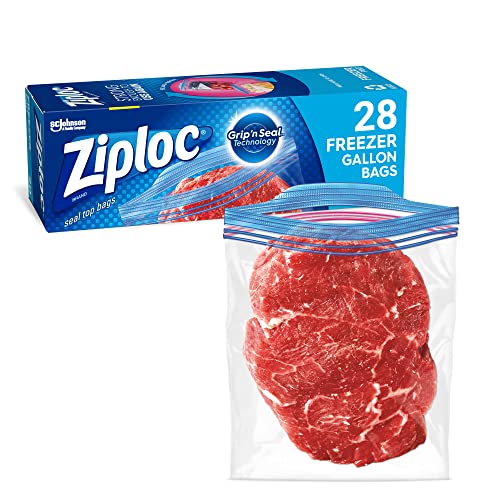
- One 28 count box of Ziploc Gallon Food Storage Freezer Bags to protect food in the fridge or freezer
- Introducing Ziploc brand Freezer Bags with New Stay Open Design – they stay open when you want them to, making them really easy to fill, almost like having an extra pair of hands in the kitchen to help you out
- Theyre easy to open and close thanks to Grip n’ Seal technology, which also helps to lock in freshness so the food and treats you store taste great
- The patented stand-up bottom lets you fill them with ease, making them great for handy freezer storage, while theyre also safe to use in the microwave and are BPA free
- Measuring 10 9/16 by 10 3/4, these Ziploc brand Freezer Bags are the ideal size for storing sauces, soups, stews, meals and leftovers, as well as for keeping bulk ingredients conveniently separa
Prices pulled from the Amazon Product Advertising API on:
Product prices and availability are accurate as of the date/time indicated and are subject to change. Any price and availability information displayed on [relevant Amazon Site(s), as applicable] at the time of purchase will apply to the purchase of this product.
Storing Edible Dough is Easier than You Think!
Edible cookie dough grants safe, instant access to the warm flavor and texture of cookie dough we all crave. Both store-bought and homemade edible dough allow you to enjoy doughy indulgence without the wait, dishes, or health concerns. Just be diligent in following proper preparation and storage methods. Maintaining temperatures below 40°F keeps bacteria at bay, maximizing shelf life for up to 10 days refrigerated or 2-3 months frozen.
With some simple food safety savvy, edible cookie dough lets you dig into sweet vanilla-ey, chocolatey, or fruit-filled bliss instantly whenever cravings strike!
How To Store Edible Cookie Dough: FAQs
Should edible cookie dough be refrigerated?
Yes, edible raw cookie dough should always be refrigerated to prevent bacterial growth. Keep the dough chilled at 40°F or below and use within 3-5 days for food safety. Properly stored, refrigerated edible dough stays fresh for up to a week.
What is the best way to store raw cookie dough?
The best way to store homemade raw cookie dough is in an airtight container in the refrigerator. Make sure to chill the dough before storing and use within 3-5 days. For longer storage, cookie dough can be frozen for 2-3 months. Thaw overnight in the fridge before using frozen dough.


