
Last updated on July 23rd, 2024
Dairy free cookie dough is a fantastic alternative for those with lactose intolerance or simply trying to maintain a healthier lifestyle. It tastes just as delicious as its dairy counterpart. But with its altered ingredients, we have to be mindful about the best storage methods for this particular dough. Don’t worry, it’s not a complicated process! Let me introduce you to the world of storing dairy free cookie dough to maintain its freshness and delectable taste.

Let’s Understand Dairy-Free Cookie Dough
How Dairy-Free Differs From Traditional Cookie Dough
Most cookie dough contains butter, which is a dairy product. Dairy-free cookie dough, on the other hand, will use alternative fats, such as:
- Coconut oil: A popular plant-based substitute for butter
- Vegetable shortening: A solid fat made from vegetable oils
- Margarine: Contains less fat than butter, but still provides a similar texture
These alternatives can greatly impact the texture and taste of the final dough.
Vegan vs Traditional Dough
It’s also important to note the distinction between vegan cookie dough and dairy-free cookie dough. Vegan dough is always dairy-free, but dairy-free cookie dough is not necessarily vegan.
A vegan cookie dough would replace not only the dairy components, but also any other animal-derived ingredients like eggs.
Some popular vegan egg substitutes include:
- Flaxseed meal (1 tbsp + 3 tbsp of water = 1 egg)
- Chia seeds (1 tbsp + 3 tbsp of water = 1 egg)
- Applesauce (1/4 cup = 1 egg)
Keep in mind that these egg substitutes may also affect the final cookie’s taste and texture.
Ingredient Impact On Storage
Let’s check out in more detail how alternative ingredients can impact storage.
| Fat | Refrigeration | Freezing |
|---|---|---|
| Coconut oil | Recommended | Yes |
| Vegetable shortening | Not required, but helpful | Yes |
| Margarine | Recommended | Yes |
For dairy-free cookie dough made with coconut oil, refrigeration is essential as it helps maintain the dough’s consistency. Vegetable shortening based dough can be stored at room temperature but refrigerating might ease handling. Margarine behaves similarly to butter, making refrigeration useful for improved texture.
Please note these are just guidelines! Ultimately, the storage method you choose for your dairy-free cookie dough will depend on the ingredients used and your personal preferences.

Short-Term Storage Strategies
When I want to store dairy-free cookie dough for a short period, I follow a few simple and effective techniques. This ensures that my dough stays fresh and maintains its consistency, making it easy to bake later. Here are some strategies you can use as well:
- Use airtight containers: Always store your dairy-free cookie dough in an airtight container to prevent it from drying out. I prefer using glass or plastic containers with tight-fitting lids.
- Refrigeration: If I plan to use my dough within a week, I simply place the airtight container in the refrigerator. This keeps the dough fresh and prevents any unwanted odors from permeating. Tip: To prevent the dough from sticking to the container, try lining it with parchment paper or plastic wrap first.
- Freezing: For storage beyond a week, I opt for freezing the dough.
To do this, I follow these steps:
- Roll the dough into a log – this makes it easy to portion out cookies later.
- Wrap the log in plastic wrap – ensuring it’s fully covered to prevent freezer burn.
- Place the wrapped log inside a zip-top freezer bag – make sure to squeeze out any excess air before sealing.
- Label and date the bag – so you can keep track of how long it’s been stored.
I typically thaw the frozen dough in the refrigerator overnight before using it.
Remember, these short-term storage strategies work well for most dairy-free cookie dough recipes. Just double-check your specific recipe for any storage instructions or recommendations.
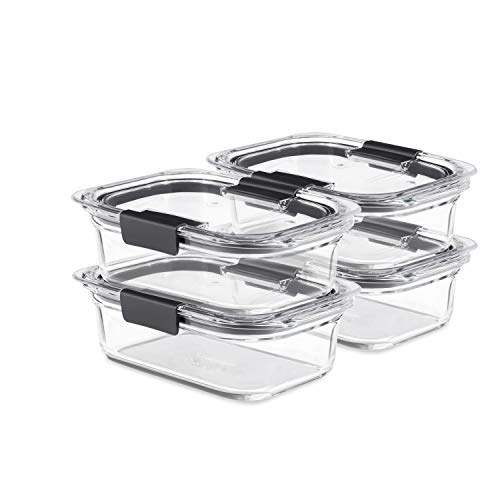
- LEAK-PROOF AND AIRTIGHT: Rubbermaid Brilliance Glass Food Storage Containers have crystal-clear lids that are 100% airtight and leak-proof, plus odor and stain resistant
- EASY STORAGE AND REHEATING: Glass containers have vented, microwave-safe lids for easy, splatter-resistant microwaving
- SPACE SAVING: Space-saving, modular Rubbermaid containers are perfect for stacking and organization
- OVEN-SAFE: Glass bases are oven-safe up to 450 degrees F, so they double as glass cookware and serve ware
- EASY TO USE: BPA-free, dishwasher-safe (use top rack for lids), microwave-safe for reheating only with lids unlatched, and freezer-s
Prices pulled from the Amazon Product Advertising API on:
Product prices and availability are accurate as of the date/time indicated and are subject to change. Any price and availability information displayed on [relevant Amazon Site(s), as applicable] at the time of purchase will apply to the purchase of this product.
Long-Term Storage Ideas
Through trial and error, I have discovered the most effective storage techniques, which I’ll share with you now.
One crucial step is portioning the dough, to make it easier to grab the exact amount needed. I simply roll out logs or divide the dough into balls. Then I wrap each log or ball with plastic wrap to add an extra layer of protection against air, which can cause freezer burn.
Taking note of the date and type of cookie dough is a helpful habit. I usually write it down with a permanent marker on the plastic wrap or create a label. This way, I know exactly when I froze the dough, and can ensure it remains at peak quality.
Another excellent long-term storage option is vacuum sealing. I find that it works especially well for me, as it extends the dough’s shelf life immensely and prevents freezer damage. If you don’t have a vacuum sealer handy, you can also use a heavy-duty freezer bag with as much air removed as possible. Just keep in mind that it’s essential to be gentle with the dough to prevent squishing it.
Here are some storage timeframes I’ve found to work well for maintaining optimal taste and texture:
| Type of Dough | Freezer Time |
|---|---|
| Drop Cookies (like Chocolate Chip) | 3 months |
| Cut-out Cookies (like Sugar Cookies) | 6 months |
| Rolled & Sliced Cookies (like Pinwheels) | 8 months |

- 【Vacuum Sealer Exclusive Design 】Automatic vacuum sealing machine with stylish design, Perfectly suited to contemporary design aesthetics, Upgraded with 75Kpa strong suction power, High quality heating strip sealing, Keep Freshness 8 times longer than normal storage time
- 【5-in-1 and Cutter Functions】Dry / Mosit / Seal / Vacuum / Stop 5 Adjustable Modes for this Vacuum Sealer,Easy to operate, one button operation,With cutter,Vacuuming, Sealing, Opening and keep food saver can be done more efficiently
- 【User-Friendly Experience】The Sealing Machine is designed for fully automatic Vacuum Sealing Operation, Push button design. Motorized plug, Provide you with a user-friendly experience, With vacuum sealer bag seal food and stored in the refrigerator can keep freshness, and still enjoy it weeks later, saving money and reducing waste
- 【Easy to Clean and Storage】You can open off the upper lid to clean the sealer machine easily & safely, Compact size and lightweight design are easy to store and move around, The body is a 15-inch. Weighs 1.6 pounds and wont be a burden on the go, Fits easily in lockers and drawers
- 【External Vacuum System】Come with 10 vacuum sealer bags, 1 accessory ports to be used for sealing wide-mouth canning jars, such as jars,wine,Bottle,Directly get to use it without purchase any other accessories,For crisper jars and crisper boxes, the vacuum packaging machine can reduce the rate of food oxidation and prevent the smell of wine and sauces from evaporating too quic
Prices pulled from the Amazon Product Advertising API on:
Product prices and availability are accurate as of the date/time indicated and are subject to change. Any price and availability information displayed on [relevant Amazon Site(s), as applicable] at the time of purchase will apply to the purchase of this product.
Troubleshooting Common Storage Issues
When it comes to storing dairy-free cookie dough, I’ve experienced a few common storage issues. To help avoid these problems, let’s discuss some possible solutions for things you might encounter.
Dryness
Sometimes, we might find that our stored dairy-free cookie dough has become dry. To prevent this issue:
- Tightly wrap the dough in plastic wrap.
- Place the wrapped dough in an airtight container.
- Consider adding a small piece of bread to the container. This can help maintain moisture.
Freezer Burn
Freezer burn can affect the texture and taste of your dairy-free cookie dough. To prevent it:
- Double-wrap the dough in plastic wrap or aluminum foil.
- Put the wrapped dough in a freezer-safe container or resealable plastic freezer bag.
- Label and date the packaging so you know when the dough was stored.
Frozen cookie dough doesn’t mean freezer burnt cookie dough!
Flavor Loss
Nobody wants to bite into a flavorless cookie. Here are some tips to retain the delicious taste of your dairy-free cookie dough:
- Store the dough away from strong-smelling foods in the refrigerator or freezer.
- Use high-quality, fresh ingredients when making the dough.
- Consume or bake the dough within the recommended storage time.
Remember to follow these suggestions to have the best possible experience when storing and enjoying your dairy-free cookie dough!
Dairy Free Cookie Dough Preservation is Possible
I encourage you to experiment with different storage methods to find what works best for your dairy-free cookie dough. As you become more comfortable with vegan baking, you’ll develop your own tricks for extending the life of your homemade cookie dough.
Stay motivated and keep honing your baking skills – the world of dairy-free baking is full of delicious possibilities!
More dairy-free recipes on the blog:
- Dairy Free Edible Cookie Dough
- Edible Cookie Dough Without Milk
- How To Make Vegan Sugar Cookie Dough
More cookie dough storage:
FAQs On Storing Dairy-Free Cookie Dough
How long can I store dairy-free cookie dough in the refrigerator?
You can store dairy-free cookie dough in the refrigerator for up to 3 days in an airtight container. Remember to label the container with the date you made the dough, so you don’t forget how long it has been stored.
Can I freeze dairy-free cookie dough? If so, how long does it last?
Absolutely! Freezing is a great way to store dairy-free cookie dough for an extended period. I recommend freezing the dough in individual portions by scooping it onto a parchment-lined baking sheet, then place it in the freezer for an hour or until firm. Once firm, transfer the dough balls to a freezer-safe bag or container and store it for up to 3 months. Don’t forget to label the bag with the date.
How do I defrost frozen dairy-free cookie dough?
Refrigerator: Place the cookie dough in the refrigerator and let it slowly defrost for about 8-12 hours before baking.
Room temperature: Remove the desired amount of dough from the freezer and let it sit at room temperature for 1-2 hours before baking.
Are there any special considerations when storing dairy-free cookie dough?
When storing dairy-free cookie dough, it’s essential to choose an airtight container to prevent it from absorbing any odors or flavors from other items in the refrigerator or freezer. Also, moisture can cause your cookie dough to become too sticky or wet, so ensure the container is properly sealed to prevent any excess moisture from entering.


