
Last updated on January 30th, 2024
Preparing cookie dough ahead of time lets you enjoy warm, homemade cookies with little effort. Properly storing it ensures optimal flavor, texture, and freshness whenever a cookie craving strikes. I’m here to show you how to store cookie dough, so you can keep it on hand for up to 3 months. Delight in delicious cookies in minutes for weeks to come.

Types of Cookie Dough
When it comes to cookie dough, there are two main types – homemade and store-bought. Both have their advantages and disadvantages to consider.
Homemade Cookie Dough
Baking your own homemade cookie dough from scratch allows for full control over the ingredients. You can customize it to your tastes and dietary needs, using premium ingredients like real butter, organic eggs, vanilla beans, and fair trade chocolate.
The texture of homemade dough also tends to be superior, with a rich, silky, and smooth consistency that bakes up perfectly every time. Shaping homemade dough into cookies, rolling into balls, slicing – the dough handles beautifully.
On the downside, preparing homemade cookie dough takes more time and effort compared to grabbing a log from the supermarket. You need to gather ingredients, cream butter and sugar, mix in eggs and flour, chill the dough, etc. The process can be enjoyable but isn’t always practical.
Store-Bought Cookie Dough
Store-bought refrigerated dough offers major convenience. Simply unwrap a log and slice off ready-to-bake portions whenever a cookie craving strikes. Most supermarket dough holds its shape well too, yielding consistently round cookies.
Brands have also improved store-bought dough quality over the years. You can now find options with no high fructose corn syrup or hydrogenated oils. Just check the label for better-for-you ingredients.
The flip side is that mass-manufactured dough often has a dense, cookie-cutter taste and texture. Preservatives are common as well, even in “natural” varieties. And flavor options are limited compared to homemade.
So in deciding between homemade versus store-bought cookie dough, it’s a trade-off between superior flavor/quality and convenience. Choose whichever fits your needs and preferences when baking up a batch of delicious cookies.
Short-Term Storage Solutions
When you’ve mixed up a batch of cookie dough but don’t plan to bake it all right away, proper storage is key to maintaining texture and freshness. We’ll cover best practices for keeping dough in prime condition for immediate baking.
Refrigerating Cookie Dough
The refrigerator helps slow down ingredient interactions that can degrade dough over time. For best results, store cookie dough in an airtight container before chilling. This prevents it from picking up odors or drying out in the fridge. Glass and plastic containers with tight-fitting lids work well.
It’s also smart to divide the bulk dough into smaller portions, e.g. logs or balls, before refrigerating. This allows you to remove only what you need each time versus continually warming and re-chilling a giant lump. Portioned dough chills faster too.
As a general rule, properly stored dough keeps well in the fridge for 2-3 days. The flavor and texture will start deteriorating after that. Cold dough may require some extra kneading or time to soften when baking.
Freezing Cookie Dough
For storage beyond 3 days, the freezer is your friend. Foldable plastic freezer bags make it easy to squeeze out dough slices or balls as desired straight from the freezer. This works well for slice-and-bake style dough.
You can also scoop dough into balls on a baking sheet before transferring to a sealed container or bag. Having individual frozen dough rounds makes it a cinch to pop a few straight onto the baking tray whenever a cookie craving emerges. They’ll thaw and flatten while preheating the oven.
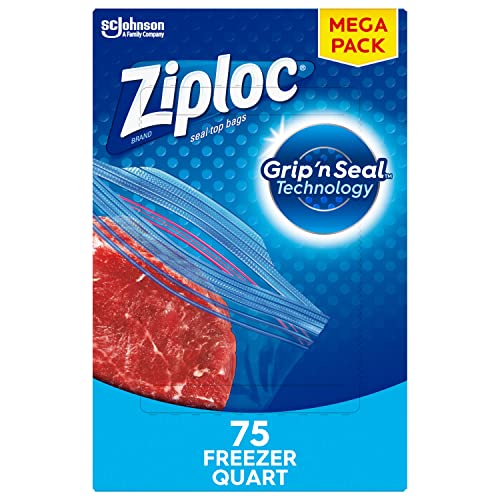
- One 75 count box of Ziploc Quart Freezer Bags perfect for storing fresh food items like fruits, vegetables, meat, fish, or cheese in the fridge or freezer
- Introducing Ziploc brand Freezer Bags with New Stay Open Design – they stay open when you want them to, making them really easy to fill, almost like having an extra pair of hands in the kitchen to help you out
- Theyre easy to open and close thanks to Grip n’ Seal technology, which also helps to lock in freshness so the food and treats you store taste great
- The patented stand-up bottom lets you fill them with ease, making them great for handy freezer storage, while theyre also safe to use in the microwave and are BPA free
- Measuring 7 by 7 7/16, these Ziploc brand Freezer Bags are the ideal size for storing sauces, soups, stews, meals and leftovers, as well as for keeping bulk ingredients conveniently separa
Prices pulled from the Amazon Product Advertising API on:
Product prices and availability are accurate as of the date/time indicated and are subject to change. Any price and availability information displayed on [relevant Amazon Site(s), as applicable] at the time of purchase will apply to the purchase of this product.
Long-Term Storage Techniques
When you need to keep cookie dough fresh for more than 3-4 days, it’s time to turn to long-term preservation methods. Advanced freezing and sealing techniques can extend dough life for weeks or months.
Freezer Storage
The freezer stops ingredient interactions in their tracks, letting dough hibernate safely for long stretches. Sturdy airtight containers are ideal for freezer storage. Glass baking dishes with plastic lids or thick plastic containers with snap-on lids both work well. Be sure to press plastic wrap directly against the dough surface before sealing to prevent freezer burn.
You can store bulk dough logs and slice off sections as needed. For ultimate convenience, scoop mounds onto a baking sheet before freezing. Once frozen solid, transfer individual dough balls to a freezer bag or container so you can remove only what you need per batch. The well-wrapped frozen dough keeps beautifully for 1-3 months.
Thaw overnight in the fridge or a few minutes at room temperature before baking. Add an extra minute or two of baking time as frozen bits in dough can slow cooking.
Vacuum Sealing
For maximum dough freshness, a vacuum sealer pulls out all the air before sealing, preventing freezer burn. This works wonders for wet sticky cookie doughs like chocolate chip and oatmeal raisin which can weep moisture in the freezer. The dough holds its perfect just-mixed consistency after vacuum sealing and thawing.
While the bags take up minimal space, you’ll need to slice off sections with a knife versus grabbing ready-to-bake balls. Still, for long-term dough storage spanning 4-6 months, vacuum sealing is hard to beat. The dough emerges tasting like you just finished mixing it.

- Puncture Prevention: 120 feet total rolls with single side embossed dotted increase suction, prevent bones from piercing, high-tenacity material providing with an air isolated environment and keeping food fresh for longer.
- Free Cut Size with No Wasting: 3 Roll 8 x 20 and 3 Roll 11 x 20’ (total 120’), 2 different width sizes and roll packing design, allows you to custom-sized length according to food package needs. Prevent waste space.
- Safe Material: BPA free material with assured, perfect for food storage. Suitable for microwave oven (-20℃~100℃), cabinet, fridge or freezer storage, in addition to boiling, sous vide cooking, and more.
- Works with All Types of Vacuum Sealers: This vacuum sealer rolls are designed for matching with all vacuum sealer machines. Simple operation, convenient to use.
- Wide Range of Application: Archive nutrition and fresh to extend the shelf life, storage for vegetables, seafood, ribs, beans and pills, these food sealer vacuum bags work well for a variety of purposes. Reduce food waste and manage them reasonab
Prices pulled from the Amazon Product Advertising API on:
Product prices and availability are accurate as of the date/time indicated and are subject to change. Any price and availability information displayed on [relevant Amazon Site(s), as applicable] at the time of purchase will apply to the purchase of this product.
Thawing and Reusing Stored Dough
When you’ve stashed away cookie dough for later use, thawing and baking it properly ensures delicious results every time. Follow these tips for defrosting frozen dough and reviving its texture before baking.
Thaw Overnight in the Fridge
For the best flavor and texture, thaw frozen dough slowly in the refrigerator. This gives ingredients time to reabsorb moisture as ice crystals melt, preventing a dense or cracked texture. Simply transfer frozen dough from the freezer to the fridge 12-24 hours before planning to bake. Well wrapped, it will keep for 1-2 days refrigerated.
If short on time, you can quickly thaw dough at room temp for 1-2 hours. But the texture may suffer slightly without that gradual overnight defrost.
Knead Dough After Thawing
Whether defrosted slowly or quickly thawed, kneading helps reinvigorate and smooth dough texture before baking. Sprinkle flour to prevent sticking, then knead briefly until pliable again. This redistributes leavening and fats for the proper rise and melt-in-your-mouth cookie appeal.
Let Dough Soften Before Scooping
Straight from the fridge, chilled dough retains stiffness that resists scooping into balls or slices. Let it sit out to gradually warm up and soften for 10-30 minutes first. The warmer temp makes shaping dough much easier. Softened dough also holds its shape better while baking versus dough sliced straight from the cold fridge.
Adjust Baking Time
Frozen bits in thawing dough can slightly slow the baking process. For best results, increase baking time by 1-2 minutes over the recipe instructions to allow centers to fully cook through. Watch closely near the end time stated for that golden browned look signaling doneness.
Safety Considerations
When handling and storing cookie dough, following basic food safety guidelines helps prevent potential issues like foodborne illness. Understand best practices for keeping dough safe during storage and thawing.
Preventing Contamination
Contamination from bacteria, mold, or other pathogens can occur when dough sits at unsafe temperatures. Always use clean utensils and containers when portioning dough for storage. Wash hands thoroughly first too.
Store dough covered in the refrigerator within 2 hours of mixing to prevent pathogen growth. Discard dough left out too long. Place logs or balls into airtight containers, never just sitting on fridge shelves unwrapped.
Proper Thaw and Bake Procedures
Always thaw frozen dough slowly in the refrigerator, not on the counter. Room temperature thawing causes exterior surfaces to warm, making it easier for microbes to multiply.
Before baking, check the dough thoroughly for any signs of mold or odd textures or appearances. Discard dough immediately if any fuzziness, discoloration, or foul odors occur during thawing or storage. Don’t risk eating contaminated dough.
Added Ingredients
When adding in mix-ins like chocolate chips or nuts, resist sampling unbaked dough. Flour, eggs, and other ingredients can contain bacteria like E. coli and salmonella. Bake cookies fully until centers reach 160°F.
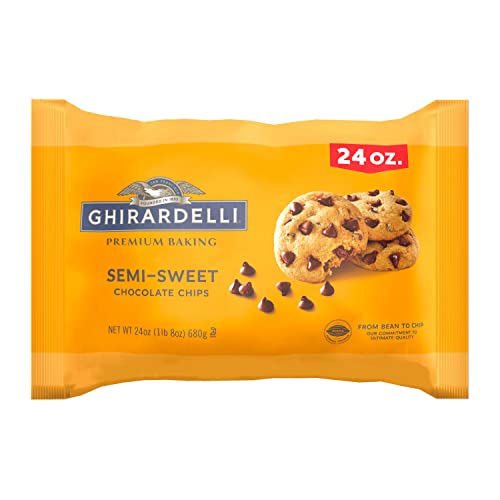
- One (1) 24 oz bag of GHIRARDELLI Semi-Sweet Chocolate Premium Baking Chips, Chocolate Chips for Valentine’s Day Cookies
- Semi-sweet baking chocolate chips made with hints of vanilla extract for semi-sweet chocolate flavor
- GHIRARDELLI semi-sweet chocolate chips are great for any baking need, including Valentine treats and Valentine cookies
- Made with cocoa butter, unsweetened chocolate and just the right amount of cane sugar
- GHIRARDELLI chocolate chips add a delicious, rich flavor to Valentines cook
Prices pulled from the Amazon Product Advertising API on:
Product prices and availability are accurate as of the date/time indicated and are subject to change. Any price and availability information displayed on [relevant Amazon Site(s), as applicable] at the time of purchase will apply to the purchase of this product.
Common Mistakes to Avoid
When it comes to storing cookie dough, there are some common pitfalls that can lead to poor texture, flavor, or even spoilage down the line. Avoid these key errors and you’ll keep dough fresher for baking anytime.
Letting Dough Sit At Room Temperature
One of the biggest no-nos is leaving mixed dough out too long before chilling. Warm ingredients promote faster chemical reactions and microbial growth. Get dough promptly into the fridge within 30-60 minutes of mixing. Leaving it out for hours invites trouble.
While thawing frozen dough, don’t leave it sitting on the counter either. Always thaw in the refrigerator overnight where cool temps slow problems. Room temp thawing causes outer edges to warm up first, encouraging spoilage.
Using The Wrong Containers
Careless storage habits easily ruin dough quality. Never just stash a lump of cling-wrapped dough on a fridge shelf. Always place it in an airtight container. Zipper bags work for logs; use durable plasticware with tight lids for bulk dough. Glass baking dishes are covered with vented plastic wrap before sealing the lid.
Improper wrapping dries dough out. Uncovered dough absorbs unwanted flavors and aromas. So keep it completely sealed in appropriate storage vessels.
Storing Too Long
While cookie dough keeps well short term, don’t push your luck on storage times. For quality’s sake, stick to the recommended guidelines:
- Fresh dough lasts 2-3 days max refrigerated
- Frozen dough keeps prime for 1-3 months
Exceeding these durations risks dough drying out or absorbing freezer smells. And forgotten dough hiding for 6+ months? Toss it rather than chance a tummy ache. Rotate stored dough based on “first in, first out” for the best flavor.
Ignoring Signs Of Spoilage
Upon thawing or opening containers, inspect the dough closely. Discard any batches with off odors, visible mold, odd textures, or weeping moisture. Don’t gamble on questionable dough hoping the flavor survives. Toss at the first hint of contamination.
By dodging these pitfalls, you steer clear of ruined dough disasters. With smart practices, stored cookie dough lasts deliciously for later baking success.
Prolonging the Life of Your Cookie Dough
Knowing the best safety and storage practices prevents waste, contamination, and quality issues too. Overall, understanding the pros and cons of each dough type equips bakers to decide which fits a given situation. Cookie dough is readily available for immediate baking or future cravings. So grab a spoon, preheat the oven, and enjoy homemade or convenient cookies anytime!
How To Store Cookie Dough: FAQs
What is the best way to store raw cookie dough?
The best way to store raw cookie dough is in an airtight container in the refrigerator for up to 5 days. For longer storage, divide into portions, wrap tightly in plastic wrap, and freeze for up to 3 months. Allow to thaw overnight before baking.
How long can you keep homemade cookie dough in the fridge?
Homemade cookie dough will last 3-5 days when properly stored in an airtight container in the refrigerator. Make sure to label the container with the date for freshness. After 5 days, expiration or quality loss occurs.
Is it better to refrigerate or freeze cookie dough?
Freezing is better for long term storage of cookie dough. Refrigeration only preserves the dough for 3-5 days max before quality and safety decline. Freezing keeps the dough fresh for 2-3 months when stored airtight in the freezer.
What is the best way to store homemade cookies?
The best way to store freshly baked homemade cookies is in an airtight container at room temperature up to 1 week. For longer storage, seal cookies in freezer bags or airtight containers, label with the date, and freeze for up to 3 months.


