
Last updated on June 24th, 2025
Baking chocolate and dark chocolate almost seem like the same thing, but actually? They’re not. There are some key distinctions between these two chocolates that can make a difference to the overall taste of the bake. So, let’s compare baking chocolate vs dark chocolate and try to decide which one is better for your needs.

What is Baking Chocolate?
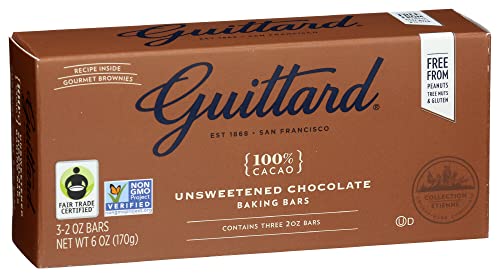
Baking chocolate is like that intense, no-nonsense friend in your pantry. It’s the purest form of chocolate you’ll find, made almost entirely of cocoa solids with just a touch of cocoa butter. This high concentration of cocoa solids gives it a bitter taste that might make you pucker if you tried to eat it straight. But don’t let that fool you – in recipes, it’s a flavor powerhouse.
This isn’t your everyday candy bar – it’s the superhero of the chocolate world, designed to handle the heat and chaos of baking without breaking a sweat.
Ever wondered why it’s called “baking chocolate”? Well, it’s not because it likes to lounge around in ovens! This stuff is specifically crafted for cooking and baking recipes. Its intense flavor and lack of added sugar make it perfect for recipes where you want to control the sweetness level. Yep, it’s also known as unsweetened chocolate.
Baking chocolate is the secret weapon in many beloved desserts. And here’s a pro tip: it’s fantastic for savory dishes too! Did you know, a square of baking chocolate can add depth to chili or mole sauce? Must-try!



Prices pulled from the Amazon Product Advertising API on:
Product prices and availability are accurate as of the date/time indicated and are subject to change. Any price and availability information displayed on [relevant Amazon Site(s), as applicable] at the time of purchase will apply to the purchase of this product.
What is Dark Chocolate?
Dark chocolate is the sophisticated cousin in the chocolate family, boasting a higher percentage of cocoa than its milky relatives. We’re talking anywhere from 50% to a whopping 90% cocoa content here, folks. The higher the percentage, the more intense the flavor and the less sweet it’ll be.
Dark chocolate isn’t just one-note bitter. Oh no, it’s a whole flavor orchestra! Depending on the cocoa beans used and how they’re processed, you might pick up hints of fruity, nutty, or even floral notes. It’s like wine tasting, but you get to eat the glass (and it’s way more fun).
Sure, dark chocolate makes for an indulgent snack, but it’s got some tricks up its sleeve. Bakers love it for adding depth to desserts without overwhelming sweetness. And get this – a square or two of dark chocolate can actually be good for you! It’s packed with antioxidants and may even help improve heart health. Just don’t use that as an excuse to polish off a whole bar in one sitting (though we’ve all been there).
When you’re perusing the chocolate aisle, keep an eye out for those cocoa percentages on dark chocolate bars. A 70% bar is a great place to start if you’re new to the dark side. It’s got that rich chocolate flavor without being too intense. As you develop your palate, you might find yourself reaching for those 80% or even 90% bars.


Prices pulled from the Amazon Product Advertising API on:
Product prices and availability are accurate as of the date/time indicated and are subject to change. Any price and availability information displayed on [relevant Amazon Site(s), as applicable] at the time of purchase will apply to the purchase of this product.
Baking Chocolate Vs Dark Chocolate: Sweetness
The difference is very clear when you taste them. Baking chocolate has near to no sweetness, whereas dark chocolate is strong, bitter but still a little sweet.
Here’s where baking chocolate really shines in the health department. It contains zero sugar, nada, zilch. Baking chocolate consists of 100% cacao, making it very bitter and ideal for cooking. This type of chocolate is often very solid and snaps easily, again making it very convenient and easy to manage when cooking. The baking type of chocolate also has no sugar in it, meaning that to many, it’s unpleasant to eat by itself.
Dark chocolate ranges from containing 70-90% cacao and will contain a slight bit of sugar, making it more edible when eating it by itself. Dark chocolate, on the other hand, does contain some sugar – usually around 20-30% for a 70% dark chocolate bar. This means baking chocolate won’t spike your blood sugar, making it a better choice for those watching their sugar intake.
Of course, there are different types of baking chocolate that are sweeter, just like there are varieties of dark chocolate that are more bitter. You might find that there is semisweet, bittersweet and unsweetened baking chocolate.
Both baking chocolate and dark chocolate are suitable when cooking, with the main differences being how sweet the chocolate is.
But let’s be real – most of us aren’t munching on pure baking chocolate for fun. When used in recipes, you’ll often add sugar anyway. The key is control – with baking chocolate, you’re the boss of how much sweetness goes in.

Want to know more about Chocolate Percentages? Check out this great video from CraftChocolateTV
Baking Chocolate Vs Dark Chocolate: Nutritional Differences
First up, calories and fat.
Baking chocolate, being 100% cacao, is surprisingly lower in calories than its sweeter cousin. A 1-ounce serving of unsweetened baking chocolate typically contains about 140 calories, while the same amount of dark chocolate (70-85% cacao) packs around 170 calories.
But here’s where it gets interesting: the fat content. Both types have similar amounts of fat, but baking chocolate’s fat is almost entirely from cocoa butter. Dark chocolate, depending on the brand, might have added cocoa butter or other fats. So while they’re neck-and-neck in total fat, the composition can differ.
Now, let’s talk about the good stuff – antioxidants.
Both baking and dark chocolate are loaded with these health-boosting compounds, particularly flavonoids. These little warriors help fight off free radicals in your body, potentially reducing the risk of heart disease and certain cancers.
Baking chocolate, with its higher cacao content, generally has more flavonoids per ounce. But don’t count dark chocolate out! A good quality dark chocolate (70% cacao or higher) still packs a serious antioxidant punch. Plus, it’s more palatable for snacking, which means you’re more likely to actually eat it and reap the benefits.
Baking Chocolate Vs Dark Chocolate: Ingredients
When it comes to components, baking chocolate and dark chocolate are like cousins with distinct personalities. Baking chocolate is the purist, boasting 100% cocoa content with no added sugar. Dark chocolate, meanwhile, offers a spectrum of cocoa content, typically ranging from 50% to 90%, with sugar making up the difference.
The cocoa butter content also sets them apart. Baking chocolate often contains less cocoa butter since it’s designed for melting into recipes, not for that luxurious melt-in-your-mouth experience. Dark chocolate, being more of a snacking champion, usually packs more cocoa butter for a smoother texture.
Additives are another key difference. Baking chocolate keeps it simple with just cocoa solids and cocoa butter. Dark chocolate, however, might invite a few guests to the party – think vanilla, lecithin, or even adventurous flavors like sea salt or chili.
Baking Chocolate Vs Dark Chocolate: Pros and Cons
Baking Chocolate Pros
The most common types of baking chocolates are unsweetened and bittersweet. These types contain a higher percent of cocoa solids which is beneficial to our health. Cocoa contains flavonoids, which improve nitric oxide levels in our blood. This improvement can reduce blood pressure and lower your risk of heart attack and stroke.
A baking chocolate can also come in a semisweet chocolate, which is made up from 70% cacao. Semisweet baking chocolate is best used when making chocolate tortes, chocolate cake, brownies, chocolate sauce and chocolate mousse.
Dark Chocolate Pros
Dark chocolate can be used when a sweeter taste is desired and works well with other ingredients. As the cacao content is still high, dark chocolate is great when used in pudding, fudge, candy making, caramel turtles and hot chocolate.
Chocolate bars in general are known to be bad for our health due to its general sugar and fat content. But it is recommended that eating dark chocolate daily can have health benefits. Dark chocolate, just like baking chocolate, can provide high levels of cocoa. These health benefits also include boosting brain power and may improve mood and symptoms of depression.
Baking Chocolate Cons
Baking chocolate, including semisweet varieties, is not designed to be eaten on its own due to its intense flavor and lack of added sugar. When using baking chocolate in recipes, you often need to add sugar and other ingredients to balance the flavor, which may require more effort and precision in cooking.
Baking chocolate is primarily intended for cooking and baking, which may limit its use in other applications where regular eating chocolate would be more appropriate.
Due to its higher cocoa content and specialized use, baking chocolate can be more expensive than regular eating chocolate.
Chocolate for baking may be more sensitive to temperature changes and require careful storage to maintain its quality and prevent blooming or melting.
Dark Chocolate Cons
Unlike baking chocolate, dark chocolate may not perform as well in all baking applications due to its different composition. Its sweeter taste might alter the intended flavor profile of certain recipes, particularly those designed for unsweetened chocolate.
Despite its health benefits, dark chocolate still contains significant amounts of calories, fat, and sugar, which can contribute to weight gain if consumed in excess. For those monitoring their calorie or sugar intake, even small amounts of dark chocolate should be eaten in moderation.
The high caffeine content in dark chocolate may cause sleep disturbances or increased anxiety in sensitive individuals, especially if consumed later in the day. Additionally, some people may find the intense flavor of dark chocolate too bitter or overwhelming compared to milk chocolate or other sweeter alternatives.
Lastly, quality dark chocolate can be more expensive than other types of chocolate, which may make it less accessible for frequent use in cooking or as a regular snack. The higher cost could be a deterrent for those on a budget who still want to enjoy chocolate’s benefits.
Dark Chocolate For Baking?
Dark chocolate can be a great substitute for baking chocolate in pretty much any recipe. As dark chocolate is high in cocoa and lower in sugar, it’s less likely that the chocolate will burn when melted.

For Cooking, Stick with Baking Chocolate!
When cooking baking, it may be best to stick with baking chocolate as it’s reliable and is guaranteed to work with other ingredients and not burn. For eating, we recommend dark chocolate over baking chocolate. Though it’s such a close call, they’re both winners.
Which is your favorite, baking chocolate or dark chocolate? Which chocolate do you use when cooking?
FAQs
Is Baker’s Chocolate The Same As Dark Chocolate?
No baker’s chocolate and dark chocolate are different.
Baker’s chocolate is made up from 100% cocoa and is designed for cooking and mixing with other ingredients. Whereas dark chocolate is designed for eating alone and contains other ingredients, such as sugar and milk.
Can I Use Dark Chocolate Instead Of Baking Chocolate?
Yes! But be careful which one you go for. It’s better to avoid dark chocolate that contains milk and a lot of other ingredients, as this may not combine well with the other ingredients in your recipe. It’s best to find a dark chocolate that is very similar to baking chocolate. Aim to get 80-90% cocoa dark chocolate.
Is Dark Chocolate Better for Baking?
Dark chocolate isn’t better for baking, as it contains a mixture of ingredients and is less predictable to work with. Often dark chocolate is more expensive and comes in less chunky pieces meaning it may not be cost effective to use all dark chocolate for your recipe.
Is Baker’s Chocolate Good?
Baker’s chocolate is great for cooking but not for eating. For many, Baker’s chocolate is too strong and bitter to eat alone. Baker’s chocolate is the best option when it comes to cooking, as it combines well with other ingredients and is easy to use.


Baking chocolate definitely does not always consist of 100% cacao. It can be unsweetened, but it usually is sweetened and then it can (obviously) not consist of 100% cacao.
Hi Anna, I’m Neil. Just read your article. I’ve actually been eating Baker pure unsweetened dark chocolate everyday for over a year. I really thought that it was just pure unsweetened dark chocolate. I love the taste of it and eat 1 oz / 4 squares everyday sometimes more. Lol. So now I’m not sure if I should be trying to find a raw Cacao nib or powder to use to get the health benefits ai thought I was getting all this time from the bakers chocolate.